
Why Does Food Insecurity Persist in Los Angeles County?
Why Does Food Insecurity Persist in Los Angeles County?
Why do so many individuals struggle to put food on the table? Learn what food insecurity is, what drives it, and how the Los Angeles Regional Food Bank can help.
While Los Angeles County is known for its entertainment industry, its beaches, and its great weather, it’s also home to millions of neighbors who aren’t sure where their next meal will come from.
Hunger is often hidden. It looks like a parent skipping dinner so their kids can eat, an older adult choosing between medication and groceries, or a full-time worker who still can’t cover rent and food in the same month.
The Los Angeles Regional Food Bank hears about these realities on a daily basis. That’s why the Food Bank works with more than 600 partner agencies throughout LA County to help maximize its reach and make a positive impact in the lives of more of our neighbors.
What is Food Insecurity?
Food insecurity is defined as the condition of not having access to sufficient food or food of adequate quality to meet one’s basic needs. It can mean wondering where the next meal will come from, stretching groceries to last a few extra days, or choosing between food and other essential expenses such as rent, utilities, or medical care.
Some households experience occasional disruptions in access to food due to job loss or unexpected emergencies, while others face ongoing challenges that make it difficult to maintain a stable, nutritious diet.
Why Does Food Insecurity Persist in Los Angeles County?
There is no single cause of food insecurity. Food insecurity grows from overlapping pressures that reinforce each other, including:
Cost of Living
Los Angeles County is one of the most expensive places in the country to live. Rent and housing costs take up a large share of many households’ income, and food is often the most flexible item in a tight budget. When rent goes up, the grocery budget is often one to get cut.
RELATED: Food Insecurity in LA County Remains High as Inflation Squeezes Budgets
Wages
Many LA County residents work in essential industries such as hospitality, childcare, retail, home health care, and food service. Even when employed full-time, or in a household with multiple incomes, many earn too little to cover basic expenses in a high-cost region. Irregular hours and unpredictable schedules make budgeting even harder.
Rising Grocery Prices
When the price of eggs, produce, bread, and other staples climbs, families with fixed or low incomes feel it first. Even small increases can force difficult tradeoffs.
Rising Fuel Prices
High fuel prices are putting added pressure on household budgets across Los Angeles County while increasing the cost of delivering food to our communities. Nationally, gasoline prices rose 34.2% in September 2026 compared with a year earlier, adding to the challenges facing families already struggling to afford basic needs.
Higher diesel costs also increase the resources needed to transport nutritious food. The Los Angeles Regional Food Bank spent roughly twice as much on diesel in September 2026 as a year earlier. Many Food Bank vehicles also use fuel to power refrigeration systems that keep fresh produce and frozen protein cold during delivery.
For neighbors already stretched thin, higher transportation costs leave less money for groceries and other essentials. At the same time, the Food Bank faces higher costs to provide food at no cost to the people and partner agencies it serves.
Unexpected Emergencies
A medical bill, a car repair, a reduction in work hours, or a family emergency can quickly drain a thin financial cushion. For households living paycheck to paycheck, one setback can be the difference between getting by and going hungry.
In a recent survey conducted by Empower, 63% of individuals said the rising cost of living has made it more difficult to build and maintain emergency funds, while more than half described saving for emergencies as “almost impossible” in the current economic climate.
Gaps in Public Benefit Programs
Programs like CalFresh (California’s SNAP program), WIC, and school meal programs are lifelines, but with eligibility changes to these benefits, many more individuals are being left out. Meanwhile, others who earn just above eligibility limits still can’t afford enough food.
Health Challenges and Disability
Chronic illness, disability, and caregiving responsibilities can limit income while increasing expenses. Older adults on fixed incomes face a particular squeeze between healthcare costs and food costs.
Transportation and Food Access
Parts of LA County have limited access to full-service grocery stores, often referred to as “food deserts.” Without a car or reliable public transit, getting to affordable, healthy food can be difficult and time-consuming.
RELATED: Understanding Food Deserts
How the Food Bank Is Here to Help
The Food Bank has worked for over 50 years to provide more than 1.6 billion meals across LA County. Working alongside a Partner Agency Network of over 600 agencies, the Food Bank supplies food to pantries, shelters, and community and religious organizations, ensuring help is available throughout the County.
Additionally, the Food Bank runs food assistance programs serving children, individuals, families, and older adults, including the Backpack Program, Summer Lunch Program, and the Commodity Supplemental Food Program (CSFP).
How to Get Food Assistance
Food assistance may be around the corner. If you or someone you know needs food assistance, please visit our Pantry Locator. By simply entering your zip code, you may find the nearest available food pantry.
If you would like to get involved in the fight against hunger, consider joining the Food Bank by making a one-time donation, becoming a monthly donor, or volunteering.
More Stories from the LA Regional Food Bank
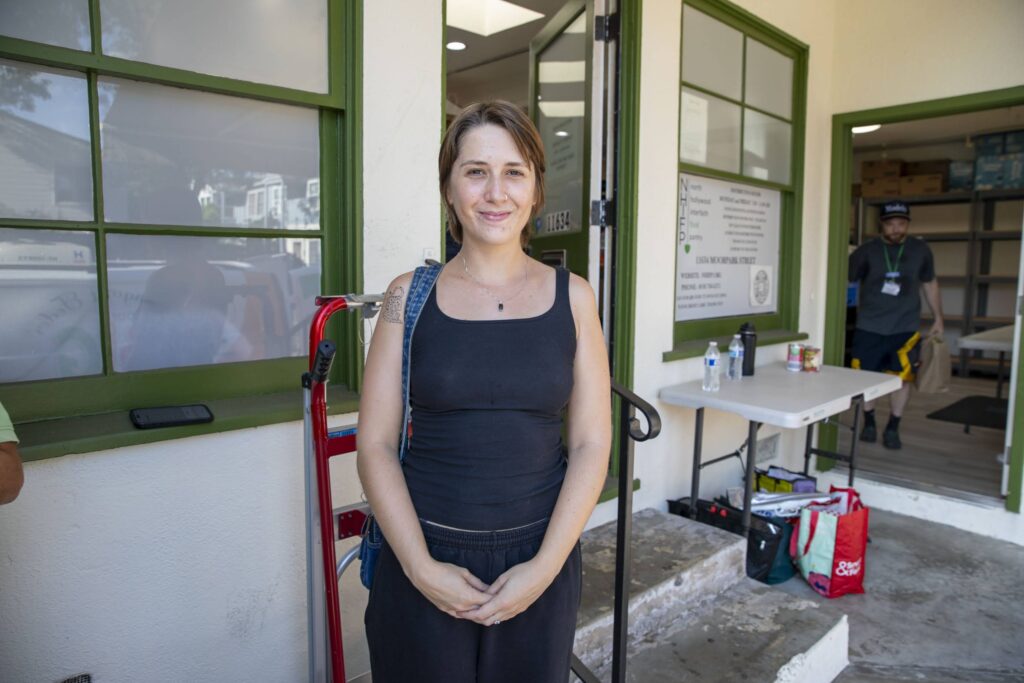
Finding Support and Dignity at North Hollywood Interfaith Food Pantry
On a Friday morning, Anna arrived at North Hollywood Interfaith Food Pantry for the first time. Learn about her experience at the Food Bank partner agency.

One Birthday, 4,000 Meals: How Keturah Reed Turned Her 42nd Into a Fundraiser for the Food Bank
Keturah Reed turned her 42nd birthday into 4,000 meals for neighbors in need. Learn how to start your own Team WeFeedLA fundraiser.
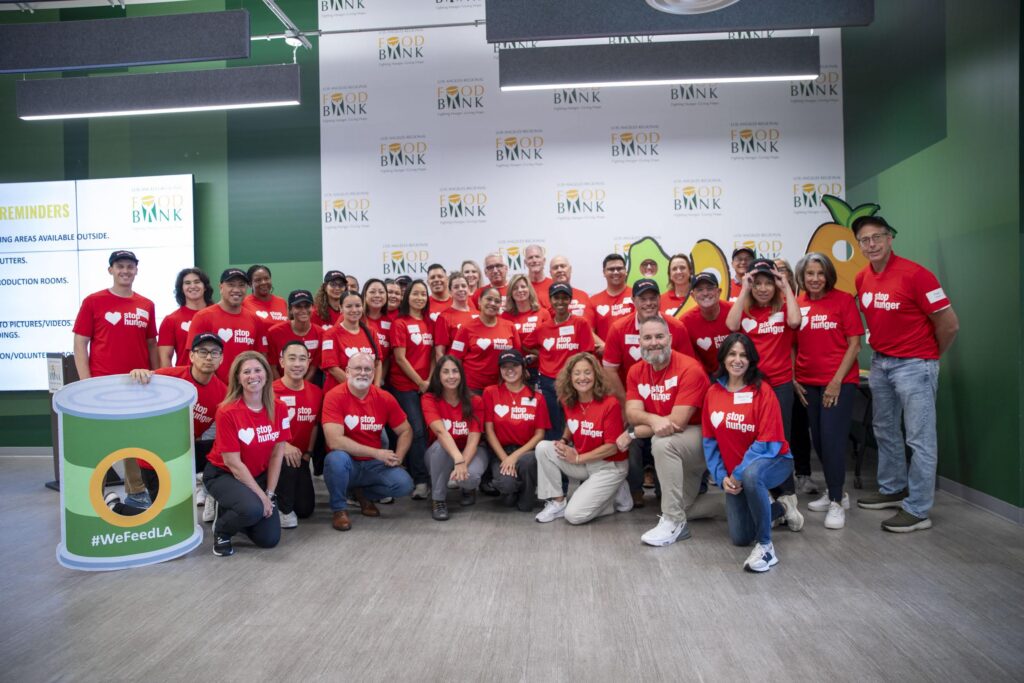
Turning Support Into Action: Inside Sodexo Stop Hunger Foundation’s Community Rebuilding Project at the Food Bank
The LA Regional Food Bank and Sodexo Stop Hunger Foundation team up to pack food for wildfire recovery during a day of service and discussion.
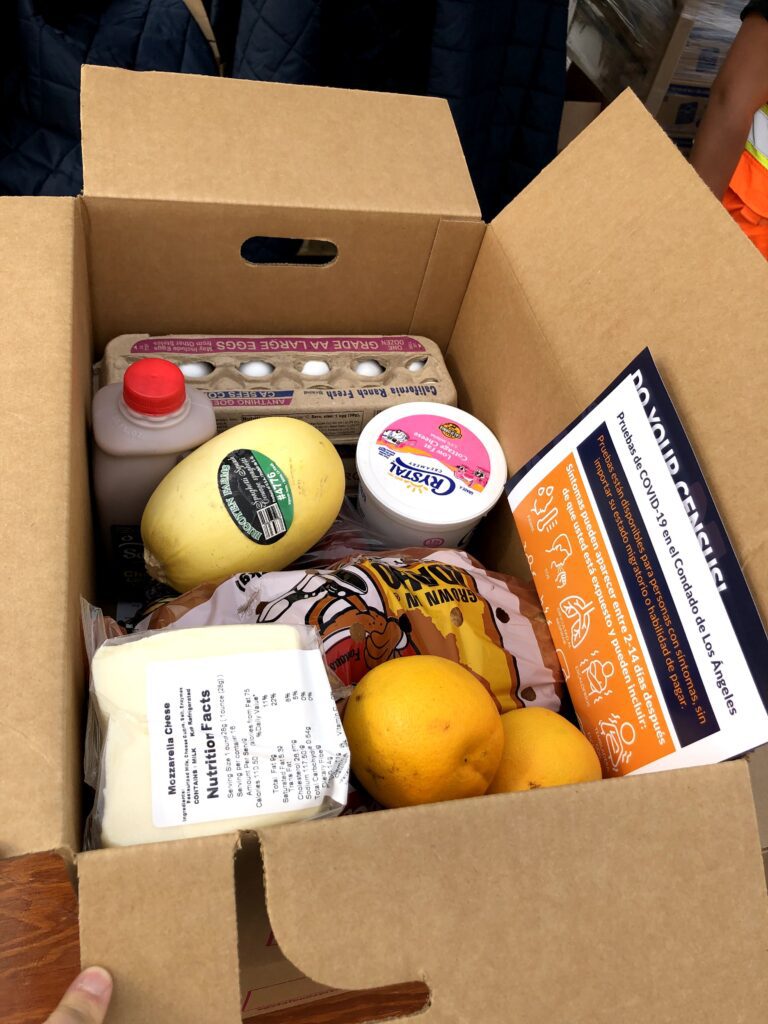
Extra Helpings: How the Food Bank is Helping Rescue Millions of Pounds of Food
Find out how the Food Bank’s Extra Helpings Program rescues nearly 29 million pounds of food a year to feed families across LA County.