
Hunger on College Campuses
Hunger on College Campuses
As many students begin to embark on their higher education journeys to better themselves and enrich the lives of themselves and their families academically, professionally and personally, most look forward to registering for courses, various on-campus events, sports and joining clubs and service organizations. Worrying about where their next meal will come from shouldn’t be an added burden.
The unfortunate truth is that many students in higher education experience food and nutrition insecurity and are often overlooked.
“Food insecurity is a huge issue for students at community colleges and even at four-year institutions,” said Dr. Maryann Tolano-Leveque, Dean of Students at Citrus College. “We provide food assistance programs in K-12 settings, but for some reason, we don’t think about these programs in higher education, even though they are still needed.”
Citrus College estimates that a large percentage of its student population faces food or nutrition insecurity, meaning they struggle to access nutritious food at some point in any given month. Because no one should have to choose between textbooks and meals, Citrus College has a variety of food assistance programs, including food distributions, to help its students.
Related Story: The LA Regional Food Bank Surveys College Students on Food Insecurity
Nursing student Ilda at Citrus College attends these distributions for her and her two children. Being a single mother while studying to become a nurse, Ilda appreciates the financial relief she can receive from being able to pick up nutritious food and other necessities at these distributions. “It takes a lot of weight off my shoulders for a change,” said Ilda. “Sometimes, I must sacrifice to provide for my family.”
She explained that she’d have to start selling her belongings to pay for food without this assistance.
Another Citrus College nursing student, Leslie, also finds relief in being able to seek food and nutrition assistance for her and her family.
“I’m thankful that people are willing to come out and help,” she says. “I’m just really happy that all these things are available to those who need it.”
Computer science student Nick shares his thoughts on the difficulties of providing for oneself while pursuing higher education. “Food is essential, especially for full-time students who no longer work,” he says. At the distributions, he can pick up items such as apples, chicken, and other food resources that could last a household for up to two weeks.
Related Story: CalFresh to Change Eligibility for College Students; Food Insecurity May Rise
With demanding coursework and many responsibilities to juggle in college, nutrition is much more crucial so that students can remain focused on their studies and excel in their academic endeavors. Invest in the health of the community’s future when you give today.
More Stories from the LA Regional Food Bank
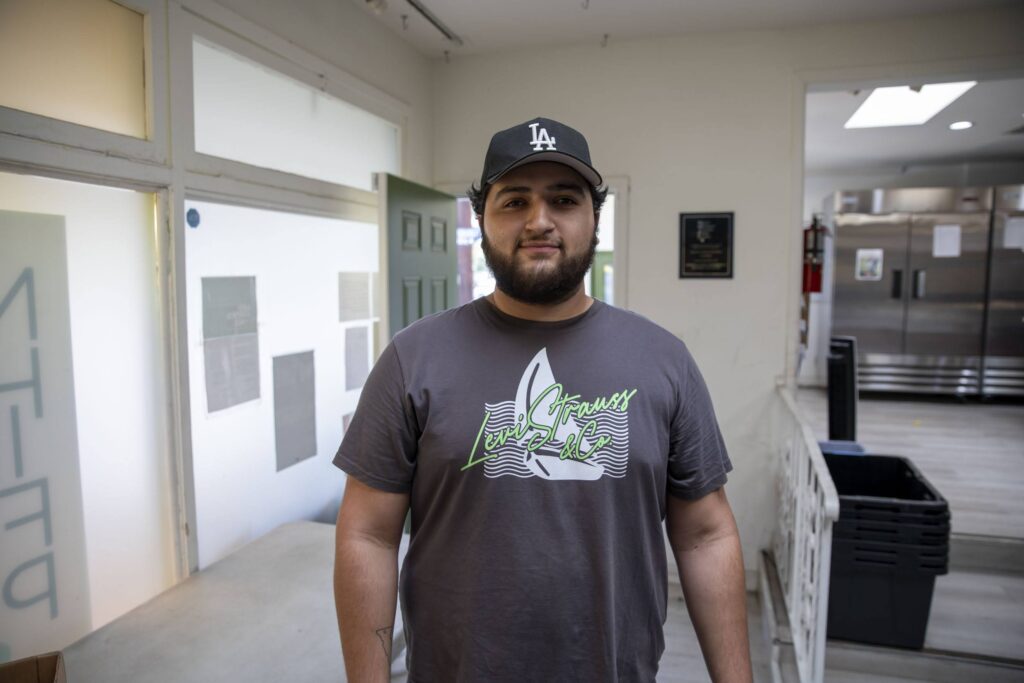
From Receiving Help to Giving Back: Bryan’s Journey at the North Hollywood Interfaith Food Pantry
Bryan first visited the North Hollywood food pantry during a difficult time, and now he volunteers there. Read his story and learn how you can get involved.

Why Does Food Insecurity Persist in Los Angeles County?
Why do so many individuals struggle to put food on the table? Learn what food insecurity is, what drives it, and how the Food Bank can help.
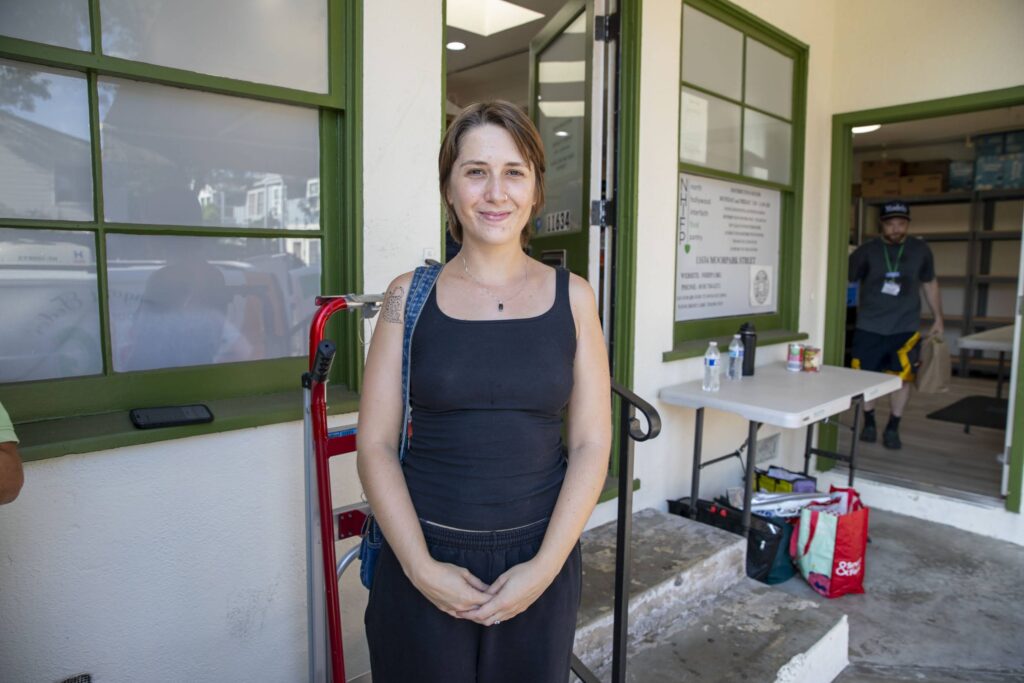
Finding Support and Dignity at North Hollywood Interfaith Food Pantry
On a Friday morning, Anna arrived at North Hollywood Interfaith Food Pantry for the first time. Learn about her experience at the Food Bank partner agency.

One Birthday, 4,000 Meals: How Keturah Reed Turned Her 42nd Into a Fundraiser for the Food Bank
Keturah Reed turned her 42nd birthday into 4,000 meals for neighbors in need. Learn how to start your own Team WeFeedLA fundraiser.