
AB 660 Is Now In Effect: How California’s New Law Is Reducing Food Waste
AB 660 Is Now In Effect: How California’s New Law Is Reducing Food Waste
Standardized “Best if Used by” and “Use by” labels are now required on packaged food across the state. Learn what it means for your kitchen and for the fight against hunger.
As of July 1, 2026, Assembly Bill 660 (AB 660) is officially in effect, changing how voluntary or legally required food date labels appear on packaged food manufactured on or after July 1, 2026, and sold in California. For the Los Angeles Regional Food Bank, this law is more than a labeling update; it’s a meaningful step toward a food system where good, nutritious food reaches families instead of landfills.
What You Should Know About AB 660
AB 660 standardizes food date labeling on packaged food across California, replacing the use of numerous inconsistent consumer-facing date phrases on newly manufactured products with a standardized statewide system, such as “sell by,” “expires on,” and “best before,” with a simple, uniform system built around just two concepts: quality and safety.
Under the new law, any food manufactured on or after July 1, 2026, that carries a date label must use one of the following approved phrases:
- For quality (peak freshness, still safe to eat after this date):
- “BEST if Used by”
- “BEST if Used or Frozen by”
- For safety (should not be eaten after this date):
- “USE by”
- “USE by or Freeze by”
Products with limited label space may use the abbreviations “BB” (quality) or “UB” (safety).
Eggs and infant formula, which already have their own federal and state dating rules, are excluded from the new requirements.
Why Does AB 660 Matter in Food Waste?
According to the California Department of Food and Agriculture, more than 50 different date labels have historically been used on food packaging nationwide, and Californians throw away the equivalent of roughly 2.5 billion meals’ worth of unspoiled food every year. Additionally, organic waste accounts for about 48% of materials sent to California landfills, and as it decomposes, it generates an estimated 41% of the state’s methane emissions — a greenhouse gas far more potent than carbon dioxide in the short term.
In Los Angeles County specifically, the LA County Sanitation Districts estimate that 4,000 to 8,000 tons of food waste are generated daily, with 1.7 to 1.9 million tons headed to landfills every year. In a County where 1 in 4 individuals experience food insecurity, effective food labeling could help put more perfectly edible food on more tables.
The Food Bank’s Role in Food Waste
Rescuing good food has been part of the LA Regional Food Bank’s mission since founder Tony Collier set out to save perfectly good food from being thrown away more than 50 years ago. Today, the Food Bank carries that same mission forward, accepting food and product donations from growers, grocery stores, and distributors and getting them into the hands of neighbors across LA County who need them.
At the Food Bank’s City of Industry Distribution Center, the Food Rescue Center is where volunteers sort, glean, and pack rescued food headed for our neighbors in need.
Through the Extra Helpings Program, the Food Bank partners with hundreds of grocery stores, restaurants, and bakeries throughout LA County to intercept food before it ever reaches a landfill. In 2025, the Extra Helpings Program connected our network of partner agencies with more than 520 local donors, rescuing nearly 29 million pounds of food, equivalent to 24 million meals, for distribution to people experiencing food and nutrition insecurity.
Clearer, more consistent date labeling under AB 660 gives everyone a better tool to keep more of that food out of landfills and onto the tables of neighbors in need. As the Food Bank continues its work to fight food and nutrition insecurity, consider joining the fight against hunger. Donate, volunteer, or share our stories with your loved ones throughout social media.
More Stories from the LA Regional Food Bank
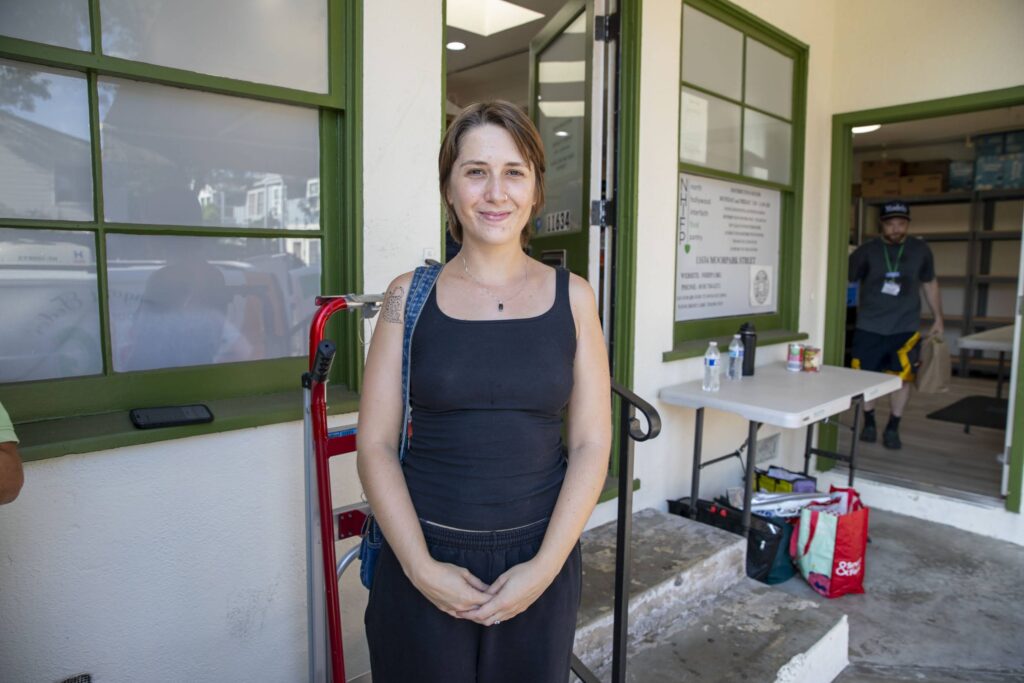
Finding Support and Dignity at North Hollywood Interfaith Food Pantry
On a Friday morning, Anna arrived at North Hollywood Interfaith Food Pantry for the first time. Learn about her experience at the Food Bank partner agency.

One Birthday, 4,000 Meals: How Keturah Reed Turned Her 42nd Into a Fundraiser for the Food Bank
Keturah Reed turned her 42nd birthday into 4,000 meals for neighbors in need. Learn how to start your own Team WeFeedLA fundraiser.
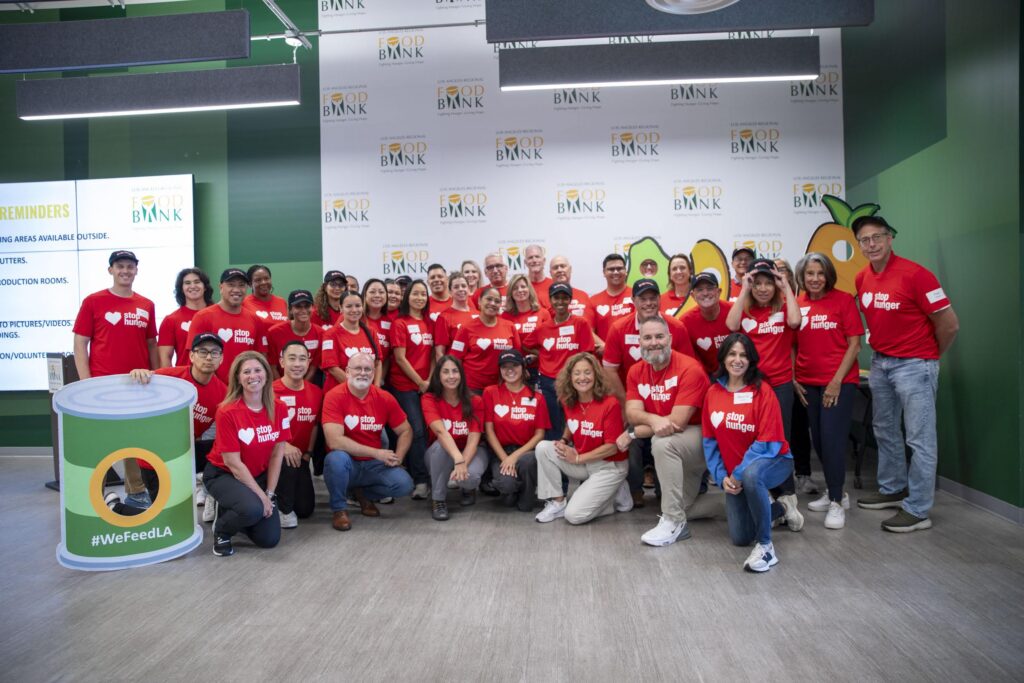
Turning Support Into Action: Inside Sodexo Stop Hunger Foundation’s Community Rebuilding Project at the Food Bank
The LA Regional Food Bank and Sodexo Stop Hunger Foundation team up to pack food for wildfire recovery during a day of service and discussion.
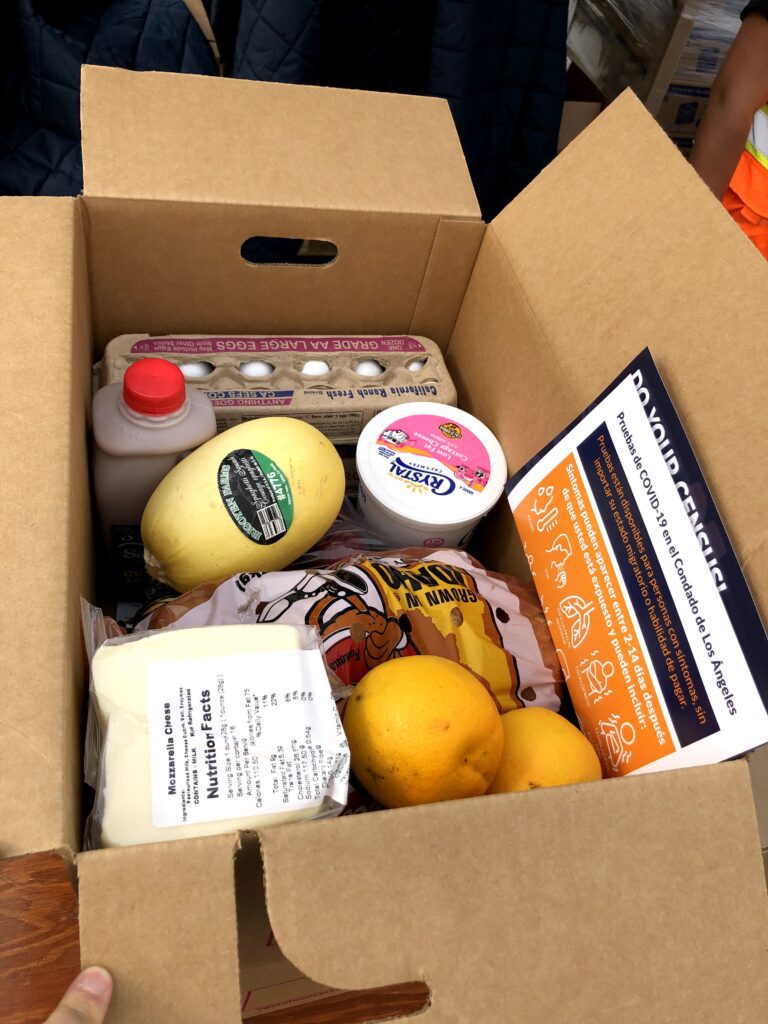
Extra Helpings: How the Food Bank is Helping Rescue Millions of Pounds of Food
Find out how the Food Bank’s Extra Helpings Program rescues nearly 29 million pounds of food a year to feed families across LA County.