
Food Assistance Programs For Older Adults
Food Assistance Programs For Older Adults
For many older adults, including those within Los Angeles County, retirement years are not always filled with financial stability. Rising housing costs, increased medical expenses, inflation, and fixed incomes have made it increasingly challenging for many seniors to consistently afford nutritious food. As a result, food insecurity continues to impact numerous older adults who are forced to make impossible decisions between paying for rent, utilities, medications, or groceries.
Fortunately, several food assistance programs are available to help older adults access nutritious food resources and maintain their health and well-being. The Los Angeles Regional Food Bank and its network of partner agencies work year-round to help ensure older adults know that support is within reach.
How Food Insecurity Impacts Older Adults
While food insecurity can affect anyone, older adults often face unique challenges that make them particularly vulnerable. Many seniors live on fixed incomes through retirement or disability benefits that don’t always keep pace with rising living expenses. Others may face mobility limitations, chronic illnesses, transportation barriers, or social isolation that make it more difficult to access groceries or food assistance.
Related: Food-Insecure Older Adults are More Susceptible to Cognitive Decline
Unlike younger individuals, seniors are more likely to experience serious health consequences when they lack consistent access to nutritious food. Skipping meals or relying on low-cost, low-nutrient foods can worsen chronic conditions such as diabetes, heart disease, and high blood pressure. Some older adults may even delay medical care, split medications, or reduce prescription use in order to afford groceries.
Food insecurity among seniors can also contribute to weakened immune systems, increased hospitalizations, fatigue, anxiety, and depression. Access to nutritious food is not only essential for physical health but also for maintaining independence, dignity, and overall quality of life.
CalFresh
CalFresh, federally known as the Supplemental Nutrition Assistance Program (SNAP), provides monthly food benefits to eligible individuals and families, including older adults. Benefits are distributed through an EBT card that can be used at most grocery stores and some farmers’ markets.
Many seniors may qualify for CalFresh even if they receive Social Security benefits or retirement income. The program can help older adults purchase fresh fruits and vegetables, proteins, grains, and other nutritious foods while freeing up limited income for housing, utilities, and medical expenses.
Commodity Supplemental Food Program (CFSP)
The Commodity Supplemental Food Program, commonly known as CFSP, is designed to support low-income adults age 60 and older. Through the program, eligible seniors receive a monthly food package containing nutritious staples such as canned fruits and vegetables, grains, dairy items, and protein products.
The LA Regional Food Bank distributes CSFP food boxes through partner agencies across Los Angeles County, helping thousands of older adults access consistent food assistance each month.
Food Pantries and Mobile Food Distributions
Food pantries and mobile food distributions continue to serve as a critical resource for older adults throughout the County. Through direct distributions and a network of 600 partner agencies, the Food Bank helps provide groceries, fresh produce, and shelf-stable food items to seniors or families in need.
Mobile Food Pantry distributions can be especially important for older adults living in underserved communities or areas with limited grocery access. Many distributions are hosted at community centers, parks, schools, and trusted neighborhood spaces to help reduce transportation barriers.
No older adult should have to choose between food, medication, or housing costs. Food assistance programs exist to help seniors maintain their health, independence, and dignity during difficult times. The Food Bank remains committed to helping older adults and families access nutritious food and support when they need it most. If you or someone you know needs food assistance, visit the Pantry Locator at LAFoodBank.org/FindFood or call 2-1-1 to find resources nearby.
More Stories from the LA Regional Food Bank
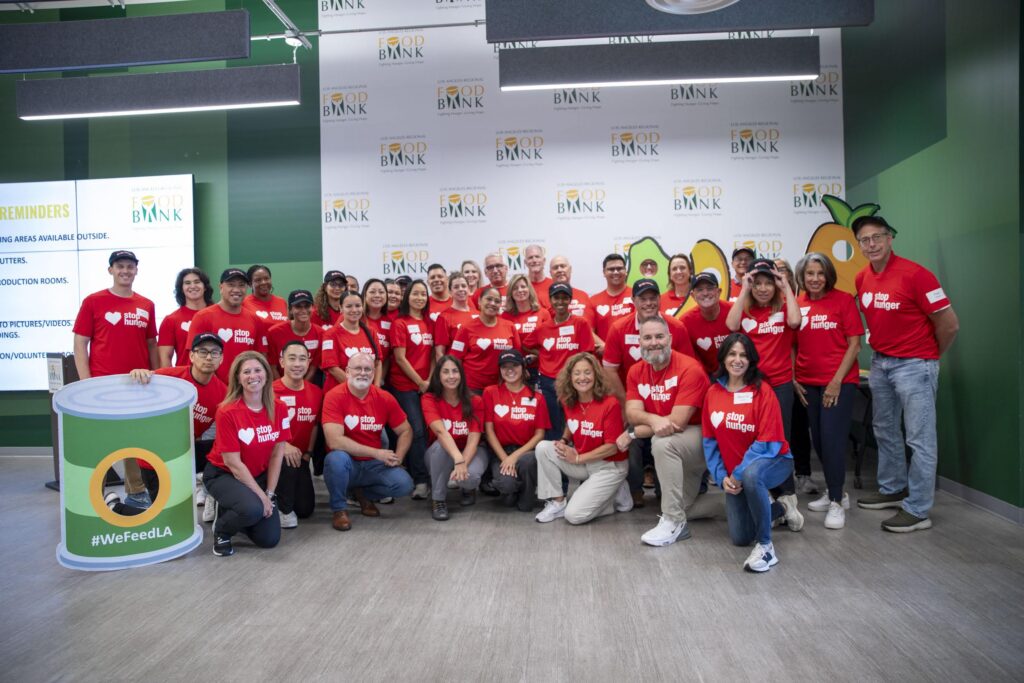
Turning Support Into Action: Inside Sodexo Stop Hunger Foundation’s Community Rebuilding Project at the Food Bank
The LA Regional Food Bank and Sodexo Stop Hunger Foundation team up to pack food for wildfire recovery during a day of service and discussion.
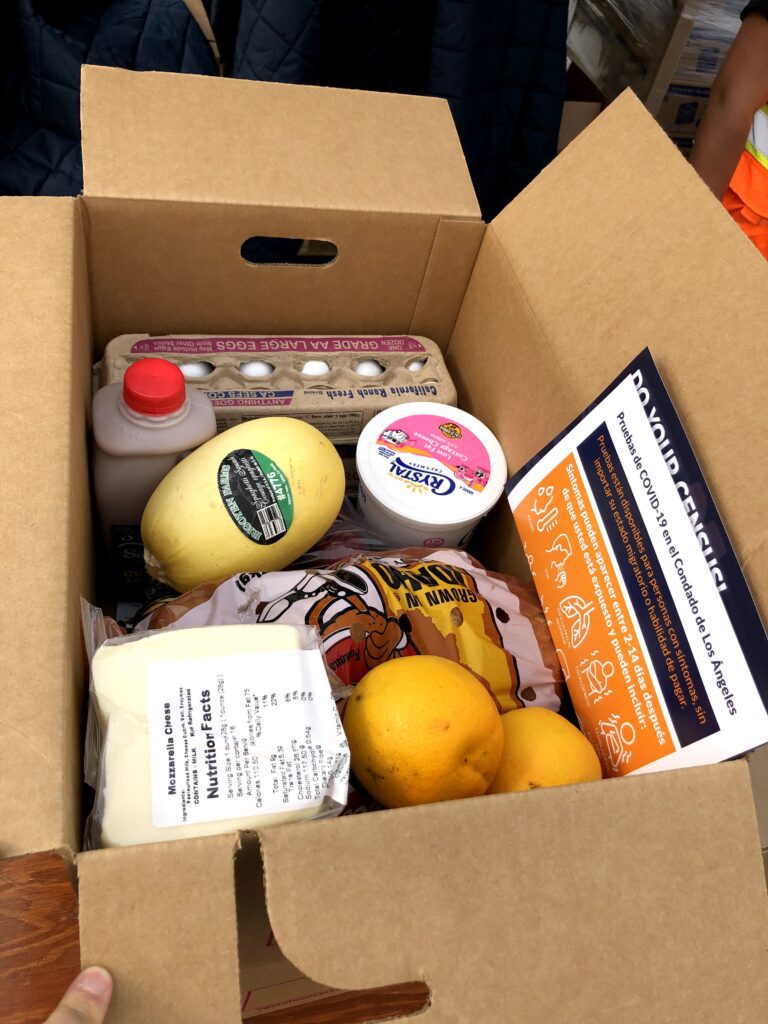
Extra Helpings: How the Food Bank is Helping Rescue Millions of Pounds of Food
Find out how the Food Bank’s Extra Helpings Program rescues nearly 29 million pounds of food a year to feed families across LA County.

africActive: Helping the Food Bank Fight Hunger in Los Angeles County
Learn how Food Bank partner agency africActive is helping fight hunger, support working families and seniors, and build a stronger community.

Food Insecurity in Los Angeles County Remains High as Inflation Squeezes Family Budgets
The Food Bank continues to see high demand for food assistance as inflation strains hundreds of thousands of households.