
Fighting Hunger, and Food Waste, Together
Fighting Hunger, and Food Waste, Together
The LA Regional Food Bank Is Using Food Expertise to Prevent Perfectly Good Food from Going to the Landfill
Canned goods and other shelf-stable items may come to mind at the mention of “food banks,” but the Los Angeles Regional Food Bank doesn’t just accept food donations; they actively seek out ways to rescue as much healthy, fresh food as possible to fight hunger — and waste — in Los Angeles County.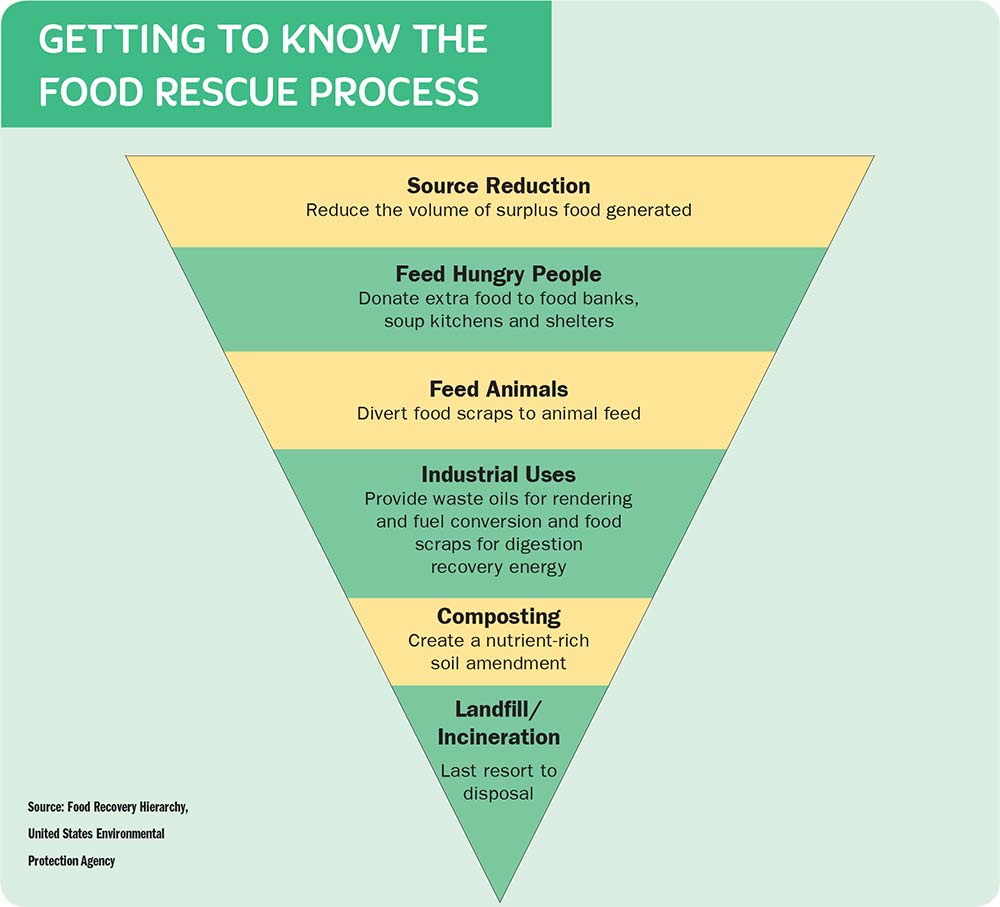
That’s because within the county’s diverse population of 10 million people, 20 percent are experiencing food insecurity — meaning they do not have consistent access to nutritious food (see page 6). That makes Los Angeles County one of the largest regions in the U.S. with a hunger problem, one that is spread across a diverse group of residents in age and ethnicity.
Thanks to its innovative approach to sourcing food, the Food Bank has been able to access a new supply of surplus food to further fill the county’s meal gap — food rescue.
How it works is simple: Food items are donated to the Food Bank by local food sources and given to families facing food insecurity by the Food Bank’s agency network.
"Since our founding in 1973, the Food Bank has collected and distributed more than 1.7 billion pounds of food and product for members of our community, the equivalent of 1.4 billion meals."
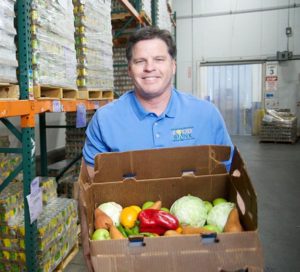
Michael Flood
President and CEO of the Los Angeles Regional Food Bank
“Since our founding in 1973, the Food Bank has collected and distributed more than 1.7 billion pounds of food and product for members of our community, the equivalent of 1.4 billion meals,” said Michael Flood, president and CEO of the Los Angeles Regional Food Bank.
For more than 45 years, the Food Bank has grown its partnerships to include grocery retail stores, nonprofits and faith-based organizations. These partnerships have increased the efficiency of the Food Bank’s distribution methods while also growing its programs so more at-need residents — like seniors and children — can have access to both fresh food and nonperishable goods.
“Typically,” Flood said, “we are picking excess food up and then getting it out to a network of more than 700 agencies who distribute directly to those in need.”
Although the majority of its donations come from large organizations and stores, Flood notes residents can still make a huge difference in reducing the amount of food waste generated in the county by being mindful of how they purchase, consume and discard food — ensuring nothing goes to a landfill when it can go to a better use either as a healthy donated meal, clean energy or compost for tomorrow’s food (see the chart).
“There are people who we aren’t even reaching who need help,” Flood said. “We still have need in our communities.”
Fighting Hunger and Food Waste
A Special Advertising Supplement for some LA Times subscribers.
1 in 5 people in Los Angeles County has trouble finding food, while perfectly good food goes to waste. Learn how the Los Angeles Regional Food Bank is battling both issues for a win-win.
More Stories from the LA Regional Food Bank
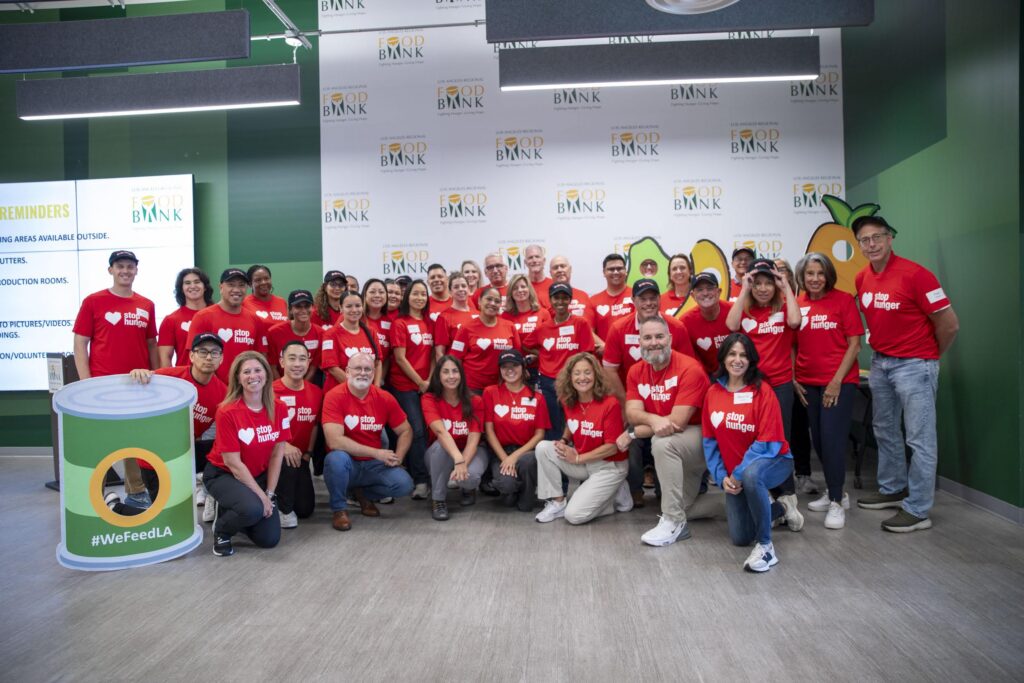
Turning Support Into Action: Inside Sodexo Stop Hunger Foundation’s Community Rebuilding Project at the Food Bank
The LA Regional Food Bank and Sodexo Stop Hunger Foundation team up to pack food for wildfire recovery during a day of service and discussion.
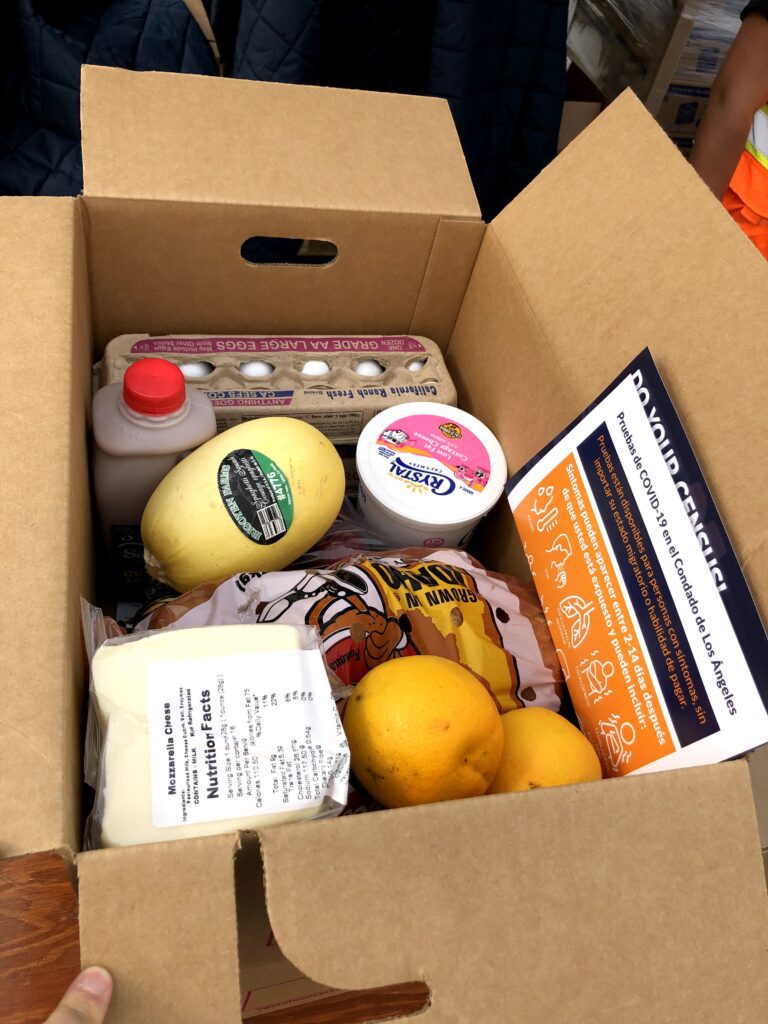
Extra Helpings: How the Food Bank is Helping Rescue Millions of Pounds of Food
Find out how the Food Bank’s Extra Helpings Program rescues nearly 29 million pounds of food a year to feed families across LA County.
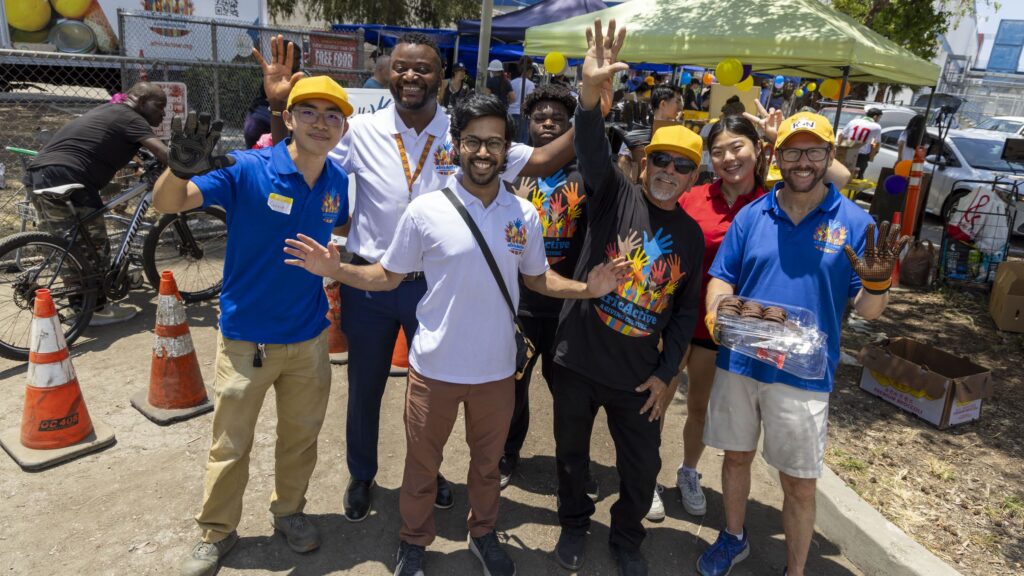
africActive: Helping the Food Bank Fight Hunger in Los Angeles County
Learn how Food Bank partner agency africActive is helping fight hunger, support working families and seniors, and build a stronger community.
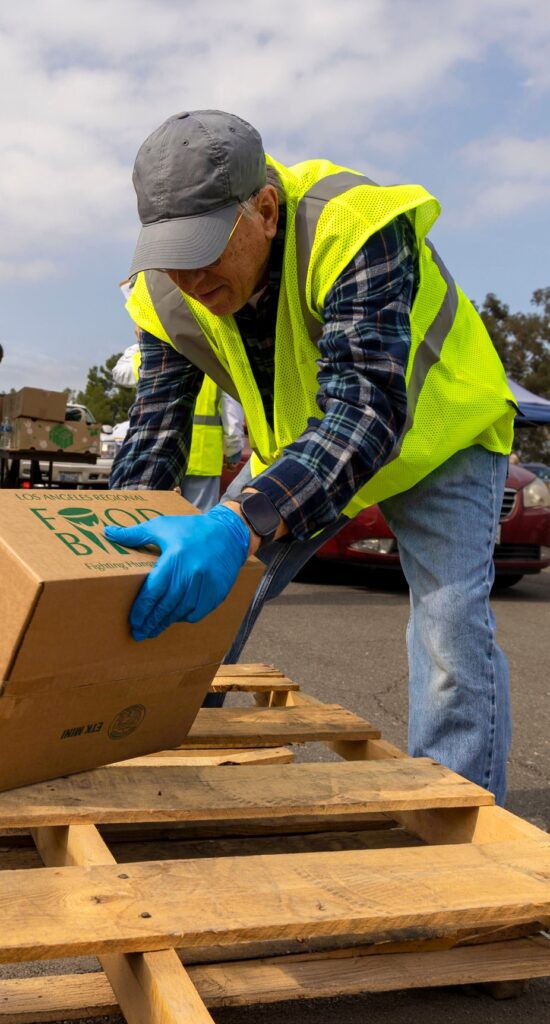
Food Insecurity in Los Angeles County Remains High as Inflation Squeezes Family Budgets
The Food Bank continues to see high demand for food assistance as inflation strains hundreds of thousands of households.