
What Changes are Coming to the CalFresh Program and How Help Is Still Within Reach
What Changes are Coming to the CalFresh Program and How Help Is Still Within Reach
Upcoming changes to the CalFresh program may impact hundreds of thousands of individuals. Learn more about the impact.
For millions of Californians, CalFresh, or the Supplemental Nutrition Assistance Program (SNAP), is a critical lifeline, helping individuals and families put food on the table during times of need. As 2026 unfolds, significant federal and state policy changes are reshaping the program, creating new challenges for many of our neighbors across Los Angeles County.
The Los Angeles Regional Food Bank remains committed to its vision: that no one goes hungry in LA County, helping feed over one million individuals each month through direct and indirect programs and its network of hundreds of partner agencies across the County.
What is CalFresh?
CalFresh provides critical, monthly food assistance to eligible individuals and families, helping them put nutritious meals on the table and maintain their health and well-being. The benefits, distributed via an EBT (Electronic Benefit Transfer) card, can be used at most grocery stores and some farmers’ markets, allowing recipients to purchase fruits, vegetables, grains, proteins, and more. CalFresh also strengthens local economies by supporting grocers, farmers, and small businesses.
Changes to the CalFresh Program
A series of federal policy updates passed in 2025 is now taking effect in phases throughout 2026, impacting eligibility, work requirements, and overall access to benefits.
Changes in April 2026
Beginning April 1, eligibility for CalFresh has been restricted for certain noncitizen groups, such as refugees, asylees, and additional humanitarian populations, who had been receiving benefits but are no longer eligible under the updated rules.
This change is expected to impact tens of thousands of Californians, increasing the risk of food insecurity among already vulnerable communities.
Changes in June 2026
Beginning June 1, 2026, one of the most significant CalFresh policy changes in recent years will begin taking effect. Under the updated rules, certain adults ages 18–64 without dependent children in the home will need to meet new work requirements to continue receiving CalFresh benefits beyond three months within 36 months. To remain eligible, individuals must work, volunteer, or participate in approved education or training activities for at least 20 hours per week—or earn at least $217.50 per week. Because eligibility is reviewed during an individual’s application, renewal, or recertification process, current participants may see these changes take effect at different times throughout their certification period, with implementation occurring on a rolling basis over the next 12 months.
Key changes include:
- Fewer exemptions: veterans, people experiencing homelessness, and former foster youth are no longer automatically exempted.
- Stricter rules for parents: now limited to those with children under age 14 (age reduced from 18).
Beginning in October 2026, another major change will affect how CalFresh is funded and administered. Under the new federal policy, the federal government’s share of CalFresh administrative costs will decrease from 50% to 25%, shifting a significantly larger portion of program operating costs to states and counties. These administrative expenses support critical program functions, including eligibility staffing, EBT card issuance, customer service, and technology systems. In addition, while CalFresh benefits have historically been fully federally funded, a new federal policy introduces a new cost-sharing structure tied to each state’s Payment Error Rate, requiring states with higher error rates to begin covering up to 15% of benefit costs. Based on California’s most recent federal fiscal year error rate—just under 11%, in line with the national average—the state could face an estimated $2 billion in additional annual CalFresh costs beginning in 2027–28 if that rate remains above 10%.
The LA Regional Food Bank – Providing a Helping Hand Year-Round
For many families, CalFresh is the first line of defense against hunger, but it is not always enough. For over 50 years, the Food Bank has provided food assistance to neighbors when they need it most. With the upcoming changes to the CalFresh Program, the Food Bank will work to continue meeting the community’s elevated needs.
If you or someone you know will be affected by the CalFresh changes, help is just one click away. Visit the Food Bank’s Pantry Locator to find the closest partner agency near you.
More Stories from the LA Regional Food Bank
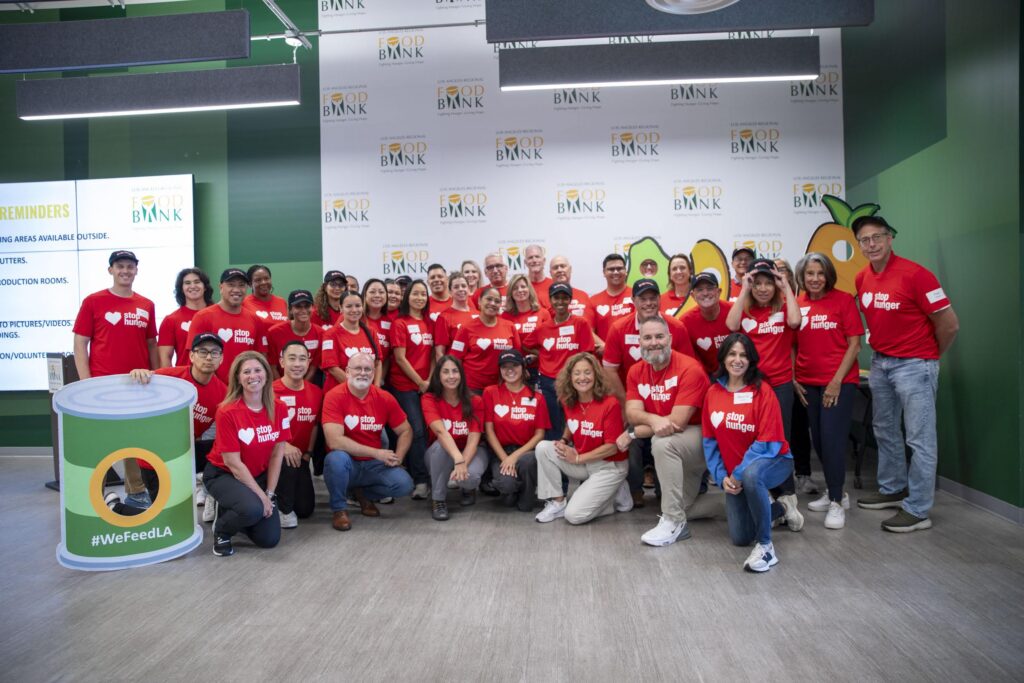
Turning Support Into Action: Inside Sodexo Stop Hunger Foundation’s Community Rebuilding Project at the Food Bank
The LA Regional Food Bank and Sodexo Stop Hunger Foundation team up to pack food for wildfire recovery during a day of service and discussion.
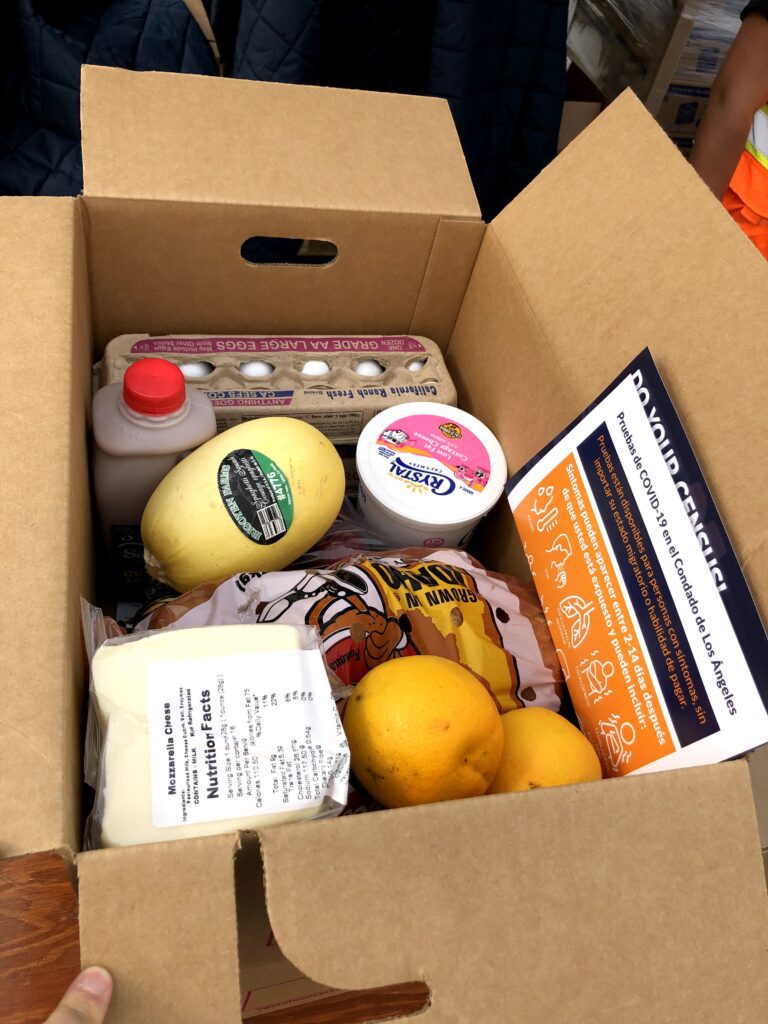
Extra Helpings: How the Food Bank is Helping Rescue Millions of Pounds of Food
Find out how the Food Bank’s Extra Helpings Program rescues nearly 29 million pounds of food a year to feed families across LA County.

africActive: Helping the Food Bank Fight Hunger in Los Angeles County
Learn how Food Bank partner agency africActive is helping fight hunger, support working families and seniors, and build a stronger community.
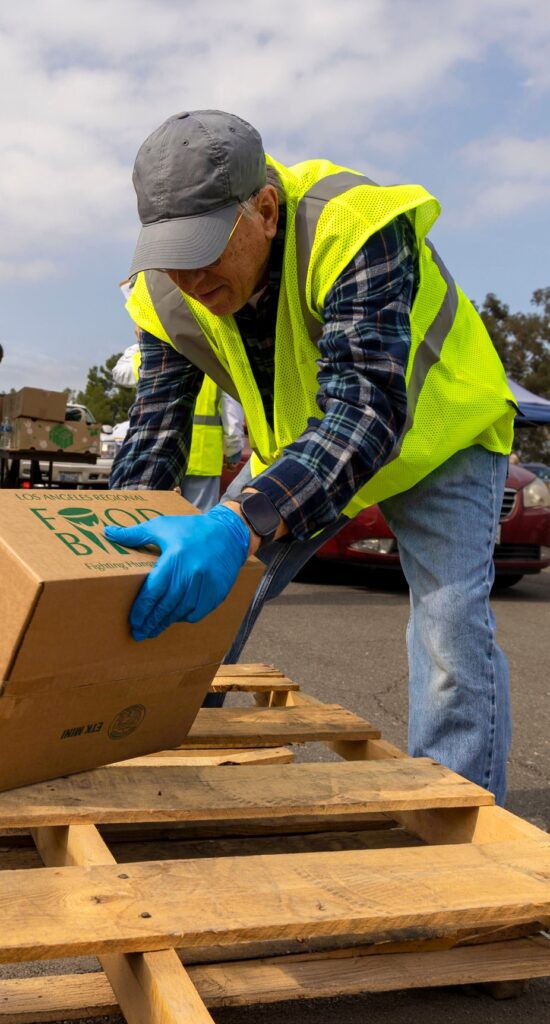
Food Insecurity in Los Angeles County Remains High as Inflation Squeezes Family Budgets
The Food Bank continues to see high demand for food assistance as inflation strains hundreds of thousands of households.