
Q and A with Food Bank President and CEO, Michael Flood
Q and A with Food Bank President and CEO, Michael Flood
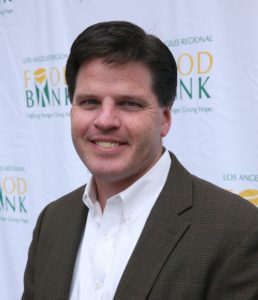
Q: Who does the Los Angeles Regional Food Bank help?
MF: We serve children, seniors, working families and individuals across Los Angeles County. Almost 25 percent are children, roughly 12 percent are older adults and the rest are adults. Forty years ago, food insecurity was more of an inner city issue. In the last 15 to 20 years, unfortunately, this issue has spread throughout Los Angeles County.
Q: What contributes to food insecurity in this region?
MF: It can be a lot of different issues — family breakups, health problems or losing a job. There are a lot of events in life that put people in a situation where they have trouble making ends meet, but the number one issue that keeps coming back is the high cost of housing.
Q: Why can buying food be such a struggle?
MF: The typical household needs to meet fixed expenses — including rent — first. Those are not negotiable. People have to ask themselves, “Do I pay my rent or buy food? Do I buy medication or food?” Unfortunately, food usually loses out. When you look at rent, it’s an uphill battle, especially for low income residents. We hear things like, “Last month, I was nine meals short for my family. Now, with a rent increase, I am 18 meals short.”
Q: What role does nutrition play in food insecurity?
MF: A lot of individuals and families have to choose between calories and nutrients. They’re making the less expensive decision to get enough calories and sacrifice healthy, nutritious food. That’s become a bit more common. People with a limited budget are having to forego more nutrient-dense options because they’re more expensive. That can lead to malnourishment in extreme situations but also can contribute to diabetes, obesity and more serious health issues.
Q: How are waste regulations helping?
MF: AB 1826 is a good example of policy that can come into play and have a positive effect. Retailers were already donating but this new legislation pushed everyone to look more closely [and ask if] they are donating everything.
Q: What can residents do?
MF: They can join the fight against hunger by making a financial contribution. For every dollar donated, we’re distributing the equiavlent of four meals to the community. They can also donate their time by volunteering at the Food Bank.
Stand up to hunger and donate at LAFoodBank.org/donate.
“For every $1 donated, we’re distributing the equivalent of four meals.”
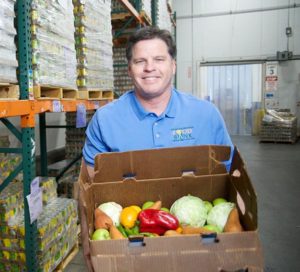
Michael Flood
President and CEO
Los Angeles Regional Food Bank
HOW TO REDUCE WASTE AT HOME
Know what “expired” means. Download the Shelf Life Guide from the Los Angeles Regional Food Bank. Expiration dates state when food items will have the best quality, not when they stop being safe to eat. If an item isn’t spoiled but past its date, it can often still be eaten or donated. Inedible products are those with an “off” smell, texture, taste or other visible sign of spoilage.
Store foods properly. Find storage tips at LAFoodBank.org/shelflifeguide or download the USDA’s free app, FoodKeeper, to maximize the shelf life of your food.
Shop your kitchen first. When planning meals, work in your leftovers and any extra ingredients you’ve already purchased.
Plan for guests correctly. Visit savethefood.com/guestimator to accurately gauge how much food to purchase when hosting holiday or dinner parties.
Get into composting. Learn how to compost at home with free workshops and starter materials offered through Los Angeles County or LA Compost. Visit smartgardening.com or lacompost.org for more information.
Fighting Hunger and Food Waste
A Special Advertising Supplement for some LA Times subscribers.
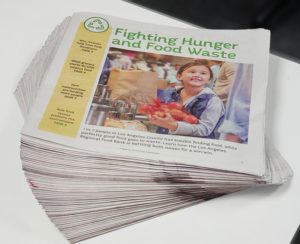
Many people in Los Angeles County have trouble finding food, while perfectly good food goes to waste. Learn how the Los Angeles Regional Food Bank is battling both issues for a win-win.
More Stories from the LA Regional Food Bank
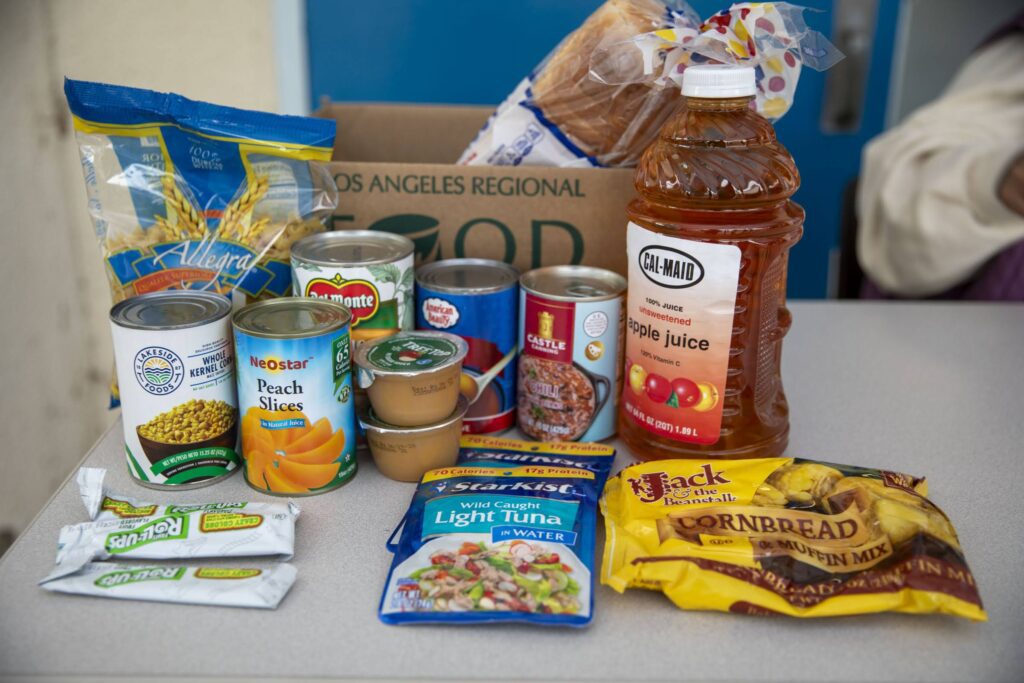
How to Efficiently Find Free Food Near You
Beat the heat and learn how to find free food near you this summer using the LA Regional Food Bank’s Pantry Locator.

How This Free Food Distribution in Long Beach is Helping Feed Mario’s Family
Mario goes to Adventures to Dreams in Long Beach every third Friday to receive essential food items that help put food on his family’s table.
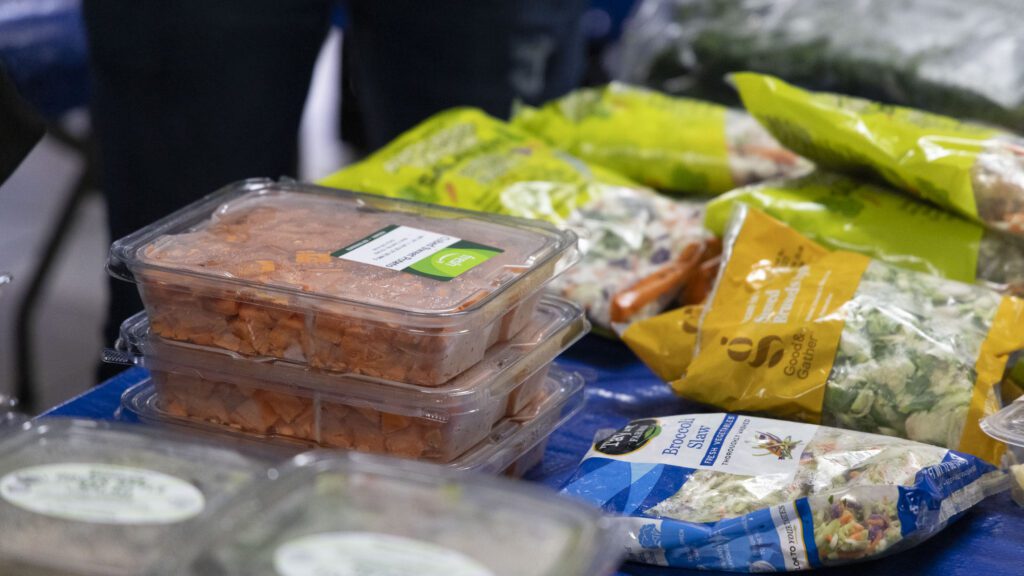
AB 660 Is Now In Effect: How California’s New Law Is Reducing Food Waste
Standardized “Best if Used by” and “Use by” labels are now required on packaged food. Learn what it means for you and for the fight against hunger.
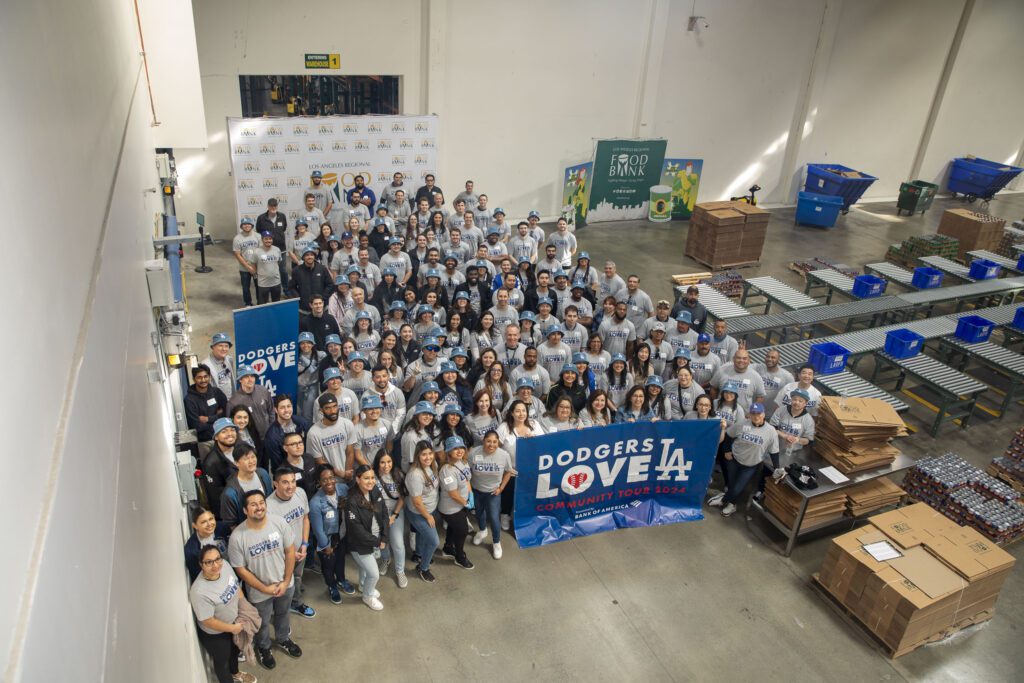
A Winning Partnership: How the Los Angeles Dodgers Foundation Helps the LA Regional Food Bank Fight Hunger
The Los Angeles Dodgers Foundation and the Food Bank have partnered for over a decade, donating millions and volunteering to fight hunger across LA County.