
When You Volunteer, You Help Others, and You Grow, Too
When You Volunteer, You Help Others, and You Grow, Too
When Izaak Cortez stood before his classmates, family, teachers, and friends at his high school graduation, he reflected on how much he had changed. Once quiet and hesitant to draw attention to himself, Cortez was now delivering a graduation speech, which he described as proof that people can grow.
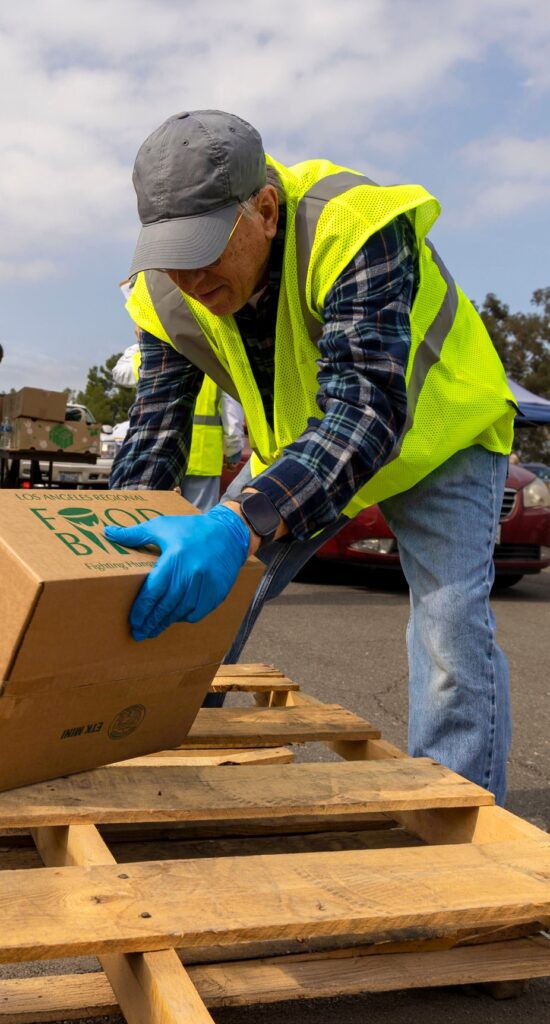
One of the biggest turning points in his journey was volunteering at the Los Angeles Regional Food Bank.
Cortez first came to the Food Bank with a small group of volunteers. After their shift, the group went to In-N-Out together, which became a tradition. What began as one volunteer opportunity turned into more than 25 shifts. Somewhere between packing boxes, organizing food, and showing up again and again, Cortez found confidence, purpose, and a sense of belonging.
“At the Food Bank, I learned what it means to show up, not just physically, but mentally,” Cortez shared in his speech. “I learned how to work with people, how to communicate, and how to be part of something bigger than myself.”
For many volunteers, that is exactly what makes the experience so meaningful. Volunteering at the Food Bank helps provide nutritious food to neighbors throughout Los Angeles County, but it can also offer something powerful in return: connection.
Each year, thousands of volunteers come together to sort, pack, and distribute food. Some arrive with coworkers, classmates, family members, or friends. Others come on their own and leave having met people who share their commitment to helping the community. Volunteer shifts can be places where people build friendships, discover purpose, and feel the joy of making a tangible difference.
That sense of community matters. In a county as large and diverse as Los Angeles, volunteering creates a shared space where people from different backgrounds can work toward a common goal. Every box packed, every bag sorted, and every hour given helps support the Food Bank’s network of partner agencies and the neighbors they serve.
The impact is felt far beyond the warehouse. Volunteers help move food more efficiently, strengthen the Food Bank’s ability to respond to hunger, and bring hope to families, children, older adults, and individuals facing food or nutrition insecurity.
But, as Cortez’s story shows, the experience can also shape the person giving their time. Volunteering can build confidence. It can introduce people to new friends. It can create routines, traditions, and memories. It can remind volunteers that small actions, repeated over time, can lead to real growth.
For Cortez, volunteering became more than service. It became part of who he is and part of the future he is building.
You can make a difference for neighbors across Los Angeles County. You can also find community, joy, and purpose along the way.
More Stories from the LA Regional Food Bank
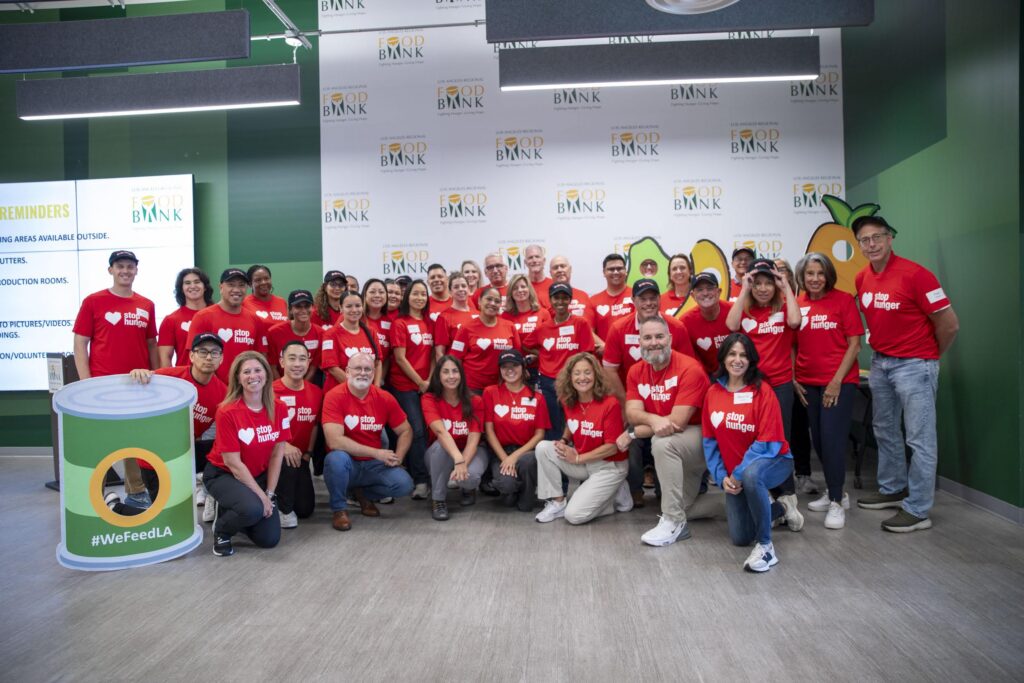
Turning Support Into Action: Inside Sodexo Stop Hunger Foundation’s Community Rebuilding Project at the Food Bank
The LA Regional Food Bank and Sodexo Stop Hunger Foundation team up to pack food for wildfire recovery during a day of service and discussion.
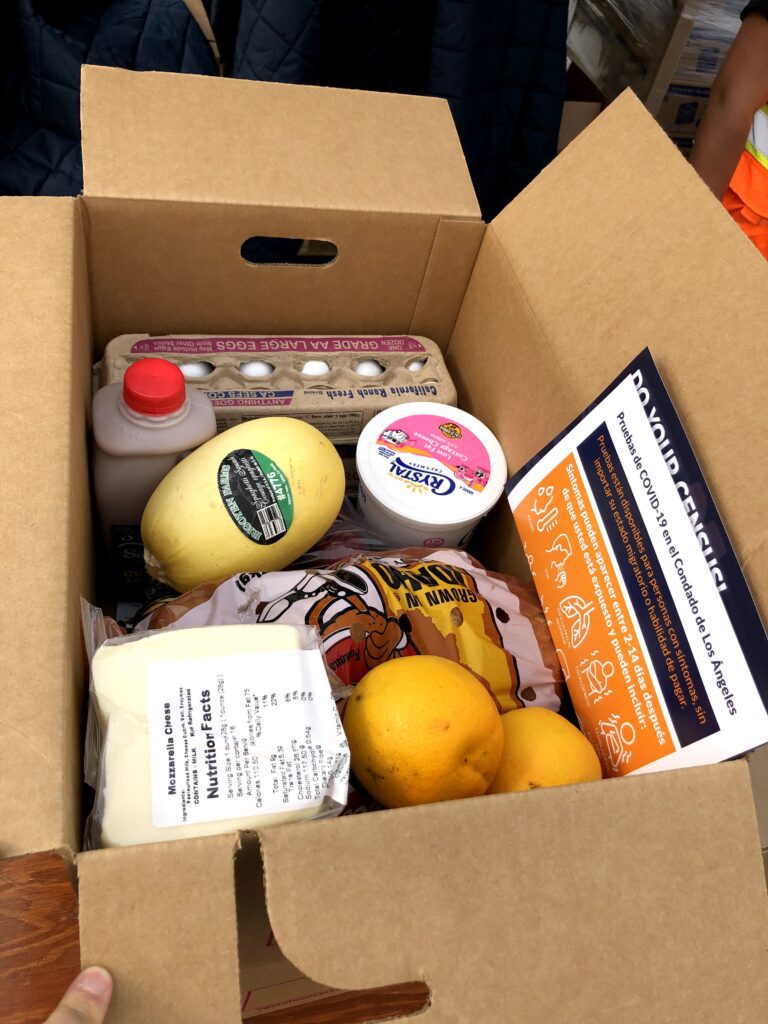
Extra Helpings: How the Food Bank is Helping Rescue Millions of Pounds of Food
Find out how the Food Bank’s Extra Helpings Program rescues nearly 29 million pounds of food a year to feed families across LA County.
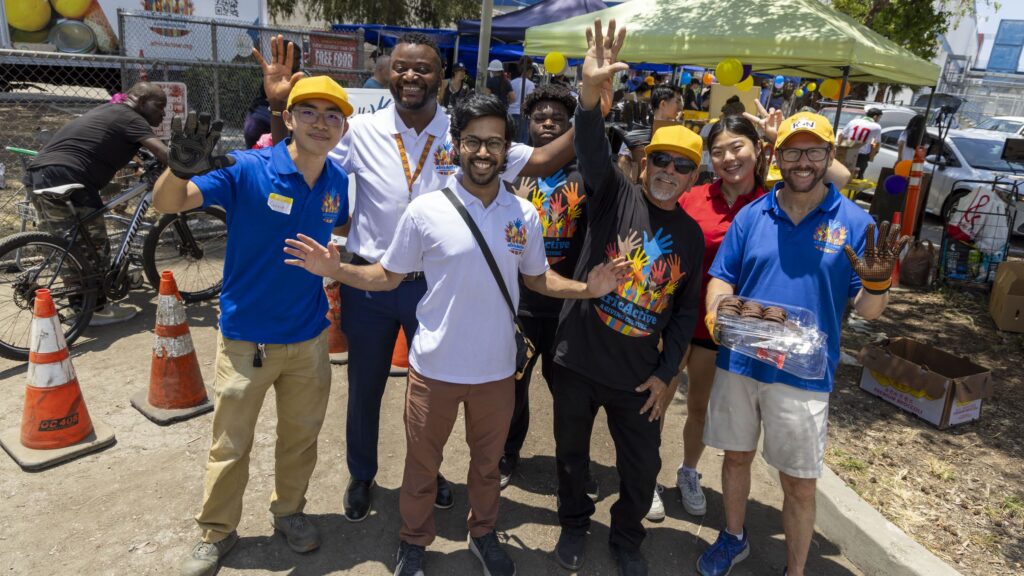
africActive: Helping the Food Bank Fight Hunger in Los Angeles County
Learn how Food Bank partner agency africActive is helping fight hunger, support working families and seniors, and build a stronger community.
Food Insecurity in Los Angeles County Remains High as Inflation Squeezes Family Budgets
The Food Bank continues to see high demand for food assistance as inflation strains hundreds of thousands of households.