
What is Food Insecurity Really Like?
What is Food Insecurity Really Like?
Food insecurity is often described in numbers: pounds of food distributed, meals provided, households served. These numbers are important because they help show the scale of need. But food insecurity is also deeply personal. It is the stress of opening the refrigerator and wondering how to stretch what is inside for one more day. It is the difficult choice between buying groceries, paying rent, filling a gas tank, or covering a medical bill. It is the uncertainty of not knowing where the next meal will come from.
For many people, food insecurity does not look like what others may expect. It can affect older adults who worked their entire lives but now live on fixed incomes that do not keep pace with rising costs. It can impact working parents whose paychecks are not enough to cover housing, utilities, transportation, childcare, and food. It can affect college students, veterans, people with disabilities, and families who experience an unexpected job loss, medical emergency, or natural disaster.
Food insecurity is not always visible, but it is present in communities across Los Angeles County.
Food Insecurity Means Making Impossible Choices
For households experiencing food insecurity, every dollar is carefully considered. A trip to the grocery store can become an exercise in sacrifice. Families may choose cheaper, less nutritious options because fresh produce, protein, and dairy are often more expensive. Parents may skip meals so their children can eat. Older adults may stretch one meal across an entire day or delay purchasing medicine to afford food.
These choices can take a toll on physical, emotional, and mental health.
When someone lacks consistent access to nutritious food, it can affect their health, energy, concentration, and overall well-being. For children, hunger can make it harder to focus in school. For adults, it can make it harder to work, care for loved ones, or manage chronic health conditions. For seniors, food insecurity can increase isolation and make it more difficult to age with dignity and independence.
Related: The Importance of Nutrition Security: Why Access to Healthy Food Matters
Food Insecurity Can Happen Suddenly
Many people are only one unexpected crisis away from needing help. A reduction in work hours, a rent increase, a car repair, or a medical bill can quickly disrupt a household budget. In Los Angeles County, where the cost of living remains high, even families with steady employment may struggle to afford enough food.
Food insecurity is not a reflection of someone’s effort, character, or choices. It is often the result of broader challenges, including rising housing costs, inflation, low wages, limited access to transportation, health issues, and reduced access to nearby grocery stores.
For some households, visiting a food pantry is not a last resort. It is a critical resource that helps them stay housed, keep the lights on, and make it through the month.
Food Assistance Provides More Than Food
When someone receives food assistance, they receive more than just groceries. They are receiving relief. They are now able to use their limited income for other essentials. They are receiving a sense of stability during an uncertain time.
Related: More Than a Food Box: Blanca Finds Relief
A box of food can help a parent prepare dinner after a long workday. Fresh produce can support an older adult’s health. Shelf-stable items can help a family get through the weekend. Food assistance can reduce stress and give neighbors one less thing to worry about.
The Los Angeles Regional Food Bank works with a network of more than 600 partner agencies to help provide food throughout LA County. Through this network, food reaches children, seniors, families, and individuals in communities where the need remains high. This work is only possible because of donors, volunteers, partners, and supporters who believe that no one should go hungry.
How You Can Help
Everyone has a role to play in the fight against hunger. Donating, volunteering, sharing resources, and raising awareness all help strengthen the fight against hunger across Los Angeles County.
For neighbors seeking food assistance, the Food Bank’s Pantry Locator can help connect individuals and families to nearby food distribution sites.
Together, #WeFeedLA.
More Stories from the LA Regional Food Bank
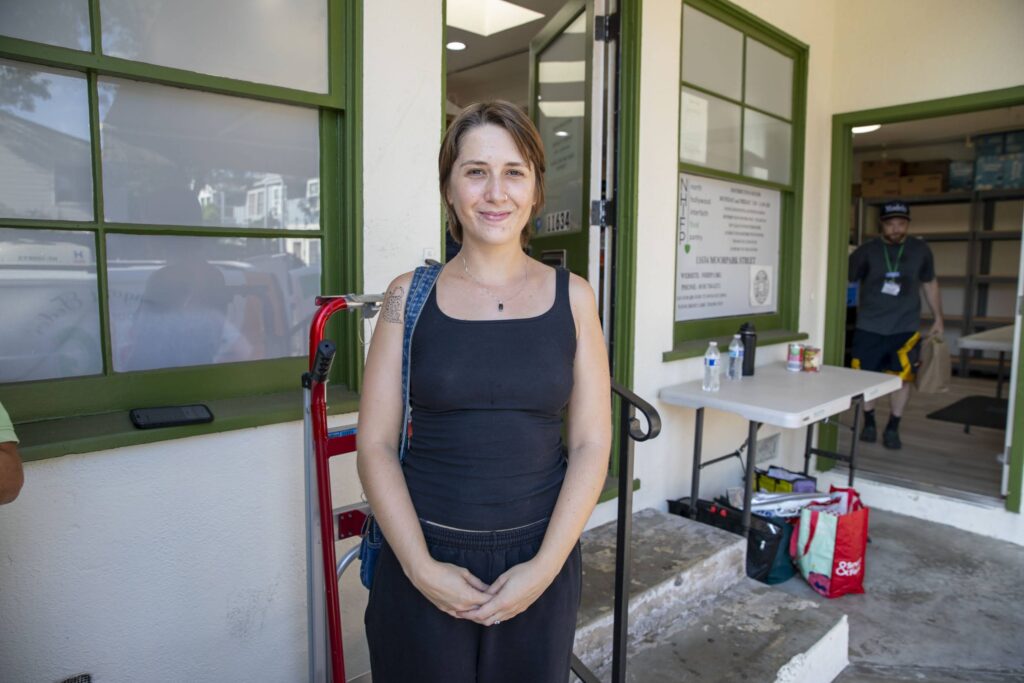
Finding Support and Dignity at North Hollywood Interfaith Food Pantry
On a Friday morning, Anna arrived at North Hollywood Interfaith Food Pantry for the first time. Learn about her experience at the Food Bank partner agency.

One Birthday, 4,000 Meals: How Keturah Reed Turned Her 42nd Into a Fundraiser for the Food Bank
Keturah Reed turned her 42nd birthday into 4,000 meals for neighbors in need. Learn how to start your own Team WeFeedLA fundraiser.
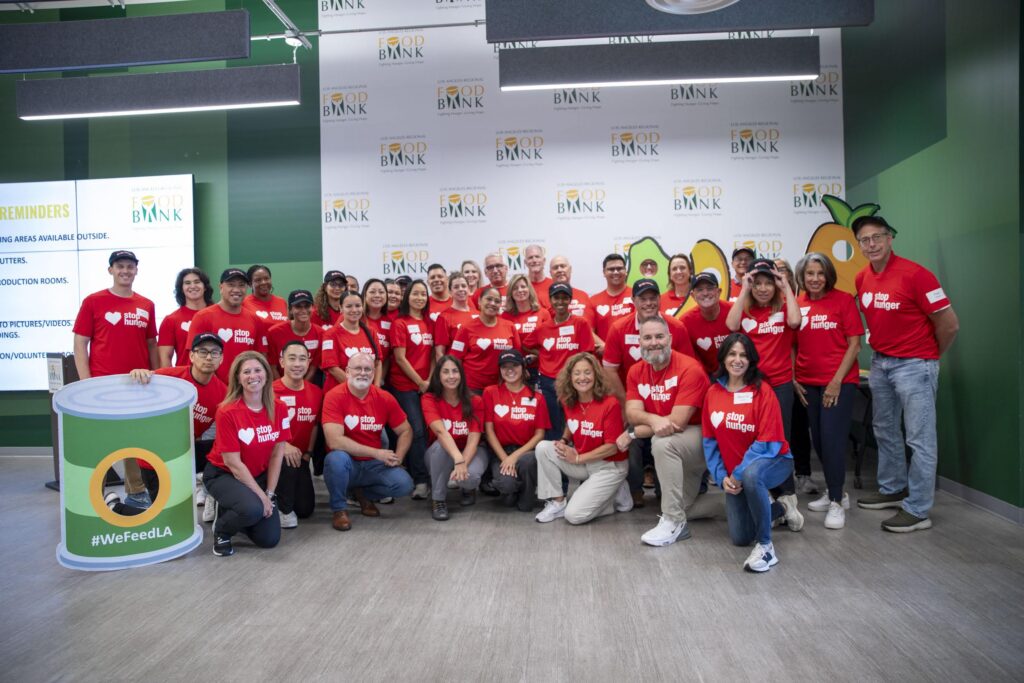
Turning Support Into Action: Inside Sodexo Stop Hunger Foundation’s Community Rebuilding Project at the Food Bank
The LA Regional Food Bank and Sodexo Stop Hunger Foundation team up to pack food for wildfire recovery during a day of service and discussion.
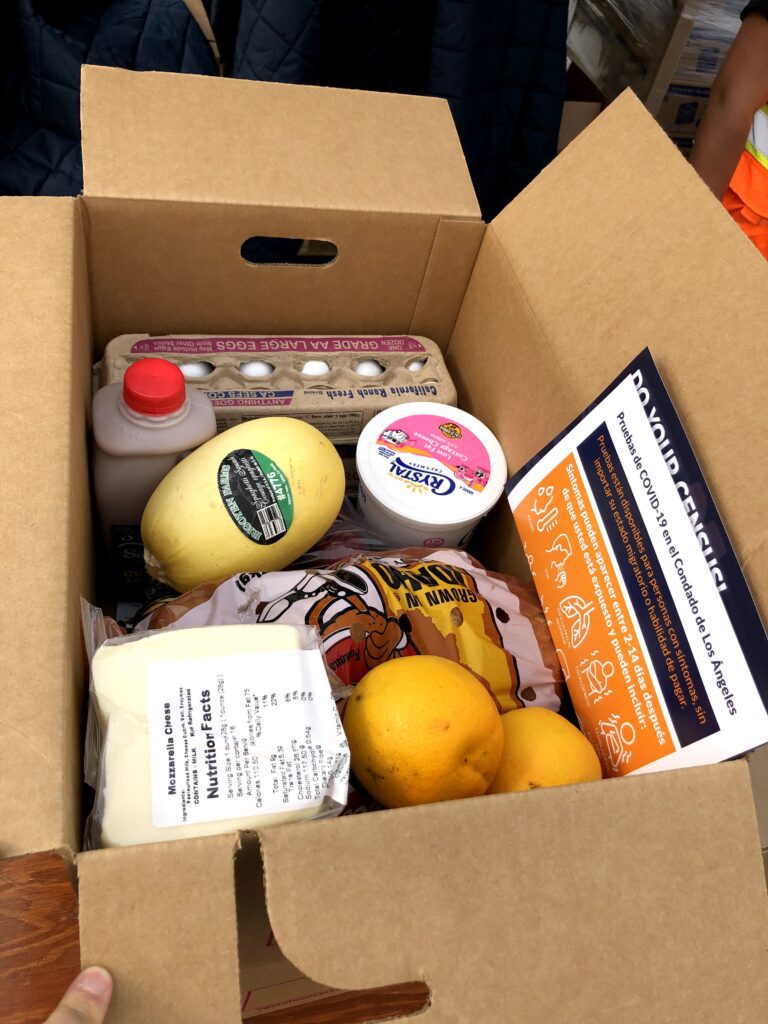
Extra Helpings: How the Food Bank is Helping Rescue Millions of Pounds of Food
Find out how the Food Bank’s Extra Helpings Program rescues nearly 29 million pounds of food a year to feed families across LA County.