
Los Angeles County Faces Ongoing Food Insecurity Challenges as Rates Near Peak Pandemic Levels
Los Angeles County Faces Ongoing Food Insecurity Challenges as Rates Near Peak Pandemic Levels
As we move further into 2023, new data is emerging that highlights the alarming extent of food insecurity in Los Angeles. According to a recent survey conducted by the USC Dornsife Center for Economic and Social Research, nearly 37% of low-income Angelenos experienced food insecurity in 2022. This figure represents a 10 percentage point increase from 2018 and is just 5 points shy of the early pandemic rate of 42% in 2020.
This concerning trend highlights the “food insecurity cliff” that many families are facing as they struggle to make ends meet. The Guardian reports that the US government’s recent cuts to the Supplemental Nutrition Assistance Program (SNAP) have had a significant impact on families’ ability to afford healthy food options. SNAP is the largest food assistance program in the US and provides low-income families with a monthly allowance to purchase groceries. However, recent cuts to the program have left many families struggling to make ends meet, with some reporting that they are forced to choose between paying bills or buying food. This situation is particularly dire in Los Angeles County, where the cost of living is high and food insecurity rates are already elevated.
The USC Dornsife results emphasize the urgent need for action to address the food insecurity crisis in Los Angeles. Community-based organizations and local policymakers must work together to find solutions that improve access to affordable and nutritious food options, especially in low-income neighborhoods. This could include expanding food assistance programs, increasing access to fresh produce and healthy food choices, and creating innovative solutions to address transportation and distribution challenges.
At the Los Angeles Regional Food Bank, we believe that access to nutritious food is essential, and everyone deserves to have the food they need to live a healthy and fulfilling life. The USC Dornsife study serves as a wake-up call to everyone in our community to take immediate action to address the food insecurity situation in Los Angeles. By working together, we can ensure that everyone living in LA County has access to the nutritious food they need to thrive.
Please consider supporting the Food Bank by joining our monthly giving program >
More Stories from the LA Regional Food Bank
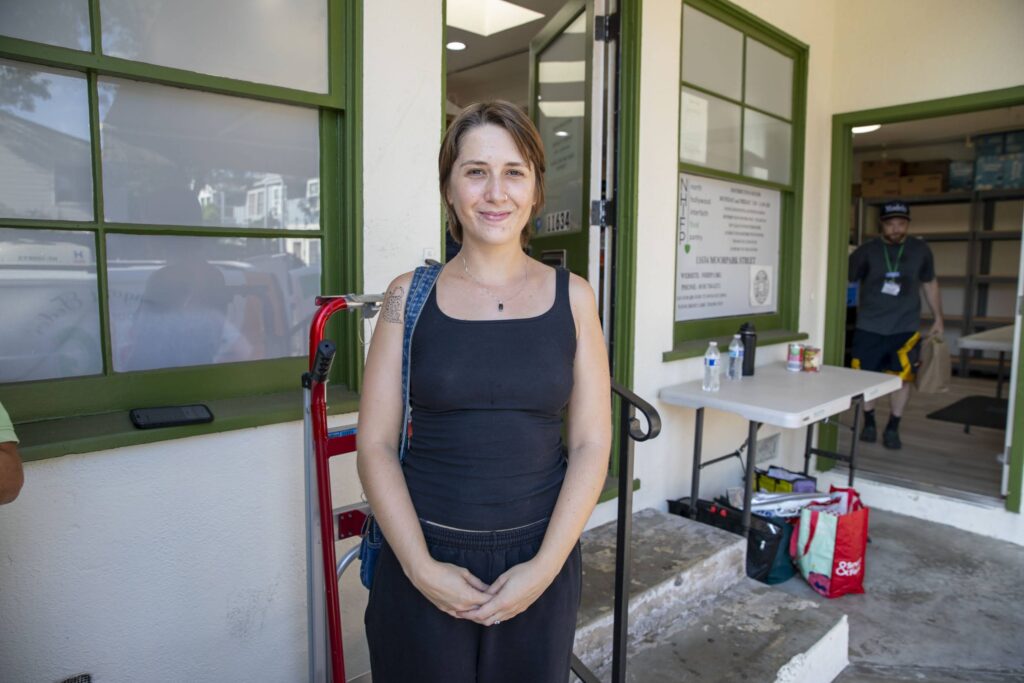
Finding Support and Dignity at North Hollywood Interfaith Food Pantry
On a Friday morning, Anna arrived at North Hollywood Interfaith Food Pantry for the first time. Learn about her experience at the Food Bank partner agency.

One Birthday, 4,000 Meals: How Keturah Reed Turned Her 42nd Into a Fundraiser for the Food Bank
Keturah Reed turned her 42nd birthday into 4,000 meals for neighbors in need. Learn how to start your own Team WeFeedLA fundraiser.
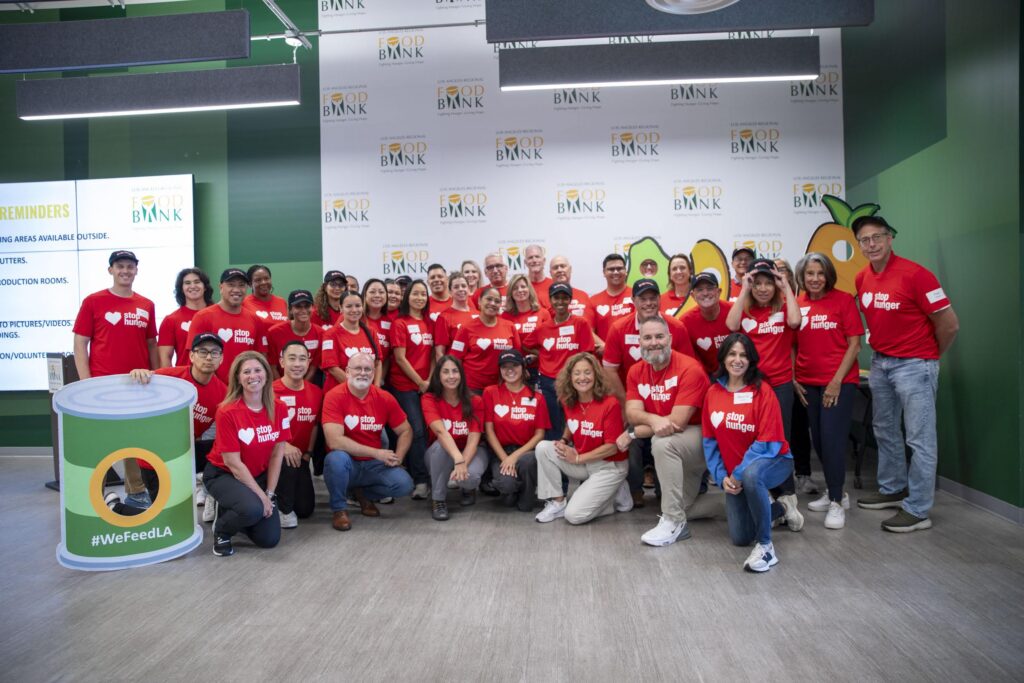
Turning Support Into Action: Inside Sodexo Stop Hunger Foundation’s Community Rebuilding Project at the Food Bank
The LA Regional Food Bank and Sodexo Stop Hunger Foundation team up to pack food for wildfire recovery during a day of service and discussion.
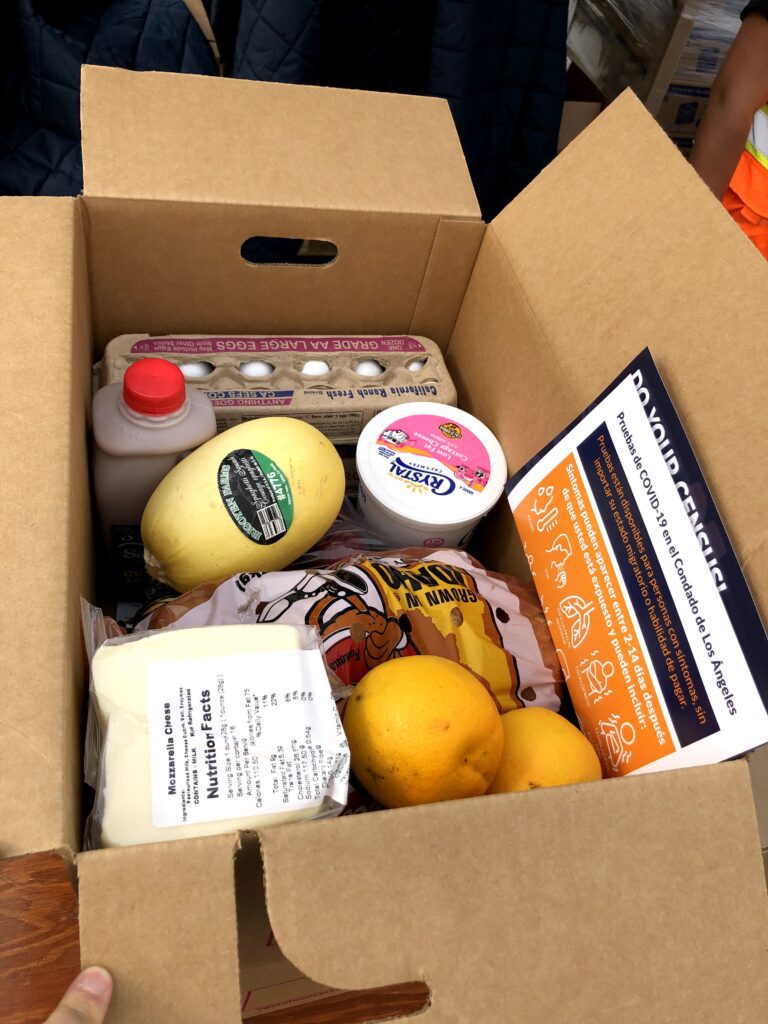
Extra Helpings: How the Food Bank is Helping Rescue Millions of Pounds of Food
Find out how the Food Bank’s Extra Helpings Program rescues nearly 29 million pounds of food a year to feed families across LA County.