
Food Insecurity in Los Angeles County and How the Los Angeles Regional Food Bank Helps
Food Insecurity in Los Angeles County and How the Los Angeles Regional Food Bank Helps
Learn how the Food Bank serves as a critical resource for families facing food insecurity and how your support helps fight hunger across Los Angeles County.
Every month, one in four Los Angeles County residents faces the fear of not knowing where their next meal will come from. Food insecurity affects people from all walks of life. Rising living costs, unexpected emergencies, job disruptions, and economic challenges can force households to make impossible choices between paying rent, covering medical expenses, or putting food on the table.
With everything in mind, many of the systems and benefits that may help low- and middle-income households through hardships are facing increased strain, leaving those individuals more vulnerable to hardships, including food or nutrition insecurity or even homelessness. Additionally, communities are responding to more emergencies and natural disasters than in the past, creating greater instability for families and community resources. Even a temporary setback can be the beginning of prolonged food insecurity.
Through these circumstances, organizations like the LA Regional Food Bank play a critical role in helping neighbors with food assistance all year round.
Fighting Hunger Throughout LA County
Food insecurity rates are influenced by many factors, including the economy, housing costs, employment opportunities, and access to resources.
Food assistance programs like CalFresh, as well as other nonprofit solutions, help to serve the roughly 2.5 million people in Los Angeles County who face food insecurity in any given month. Over one million of those individuals get help from the Food Bank and its network partner agencies. For them, the food bank and partner agency system is the difference between having food on the table and going without. Through food distributions, community partnerships, nutrition programs, and emergency assistance, the Food Bank helps ensure that families can access the nutritious food they need when they need it most.
However, hunger can sometimes be invisible. It can affect anyone at any moment: a household with multiple incomes that, due to rising costs, is unable to make ends meet. A senior with an illness who has to choose between buying medicine and putting food on the table. Or a college student who is going through higher education to improve their lives, but struggles with a rumbling stomach during class. The realities of food insecurity can impact anyone.
That’s why the Food Bank works with hundreds of agency partners across the County to distribute food where it is needed most. By bringing resources directly into neighborhoods, the Food Bank helps reduce barriers and ensures that food remains accessible to people throughout the region.
Join the Fight Against Hunger
The Food Bank relies on the generosity of donors, volunteers, corporate partners, and community members who believe that no one should go hungry. Every contribution helps provide food and support to neighbors facing difficult circumstances. Consider making a one-time donation or becoming a monthly donor.
More Stories from the LA Regional Food Bank
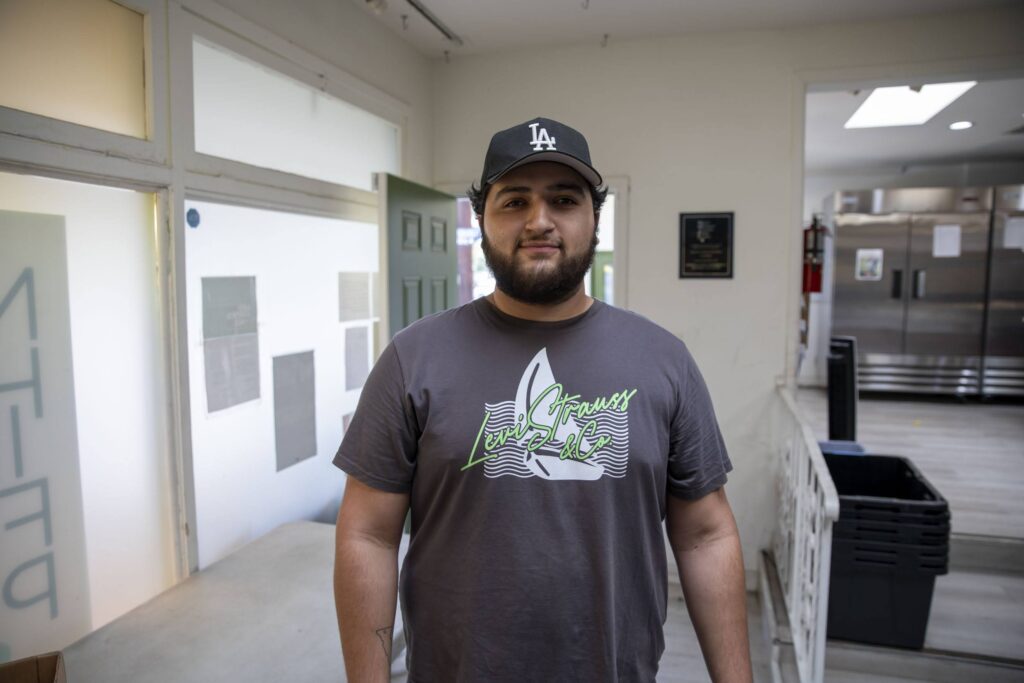
From Receiving Help to Giving Back: Bryan’s Journey at the North Hollywood Interfaith Food Pantry
Bryan first visited the North Hollywood food pantry during a difficult time, and now he volunteers there. Read his story and learn how you can get involved.

Why Does Food Insecurity Persist in Los Angeles County?
Why do so many individuals struggle to put food on the table? Learn what food insecurity is, what drives it, and how the Food Bank can help.
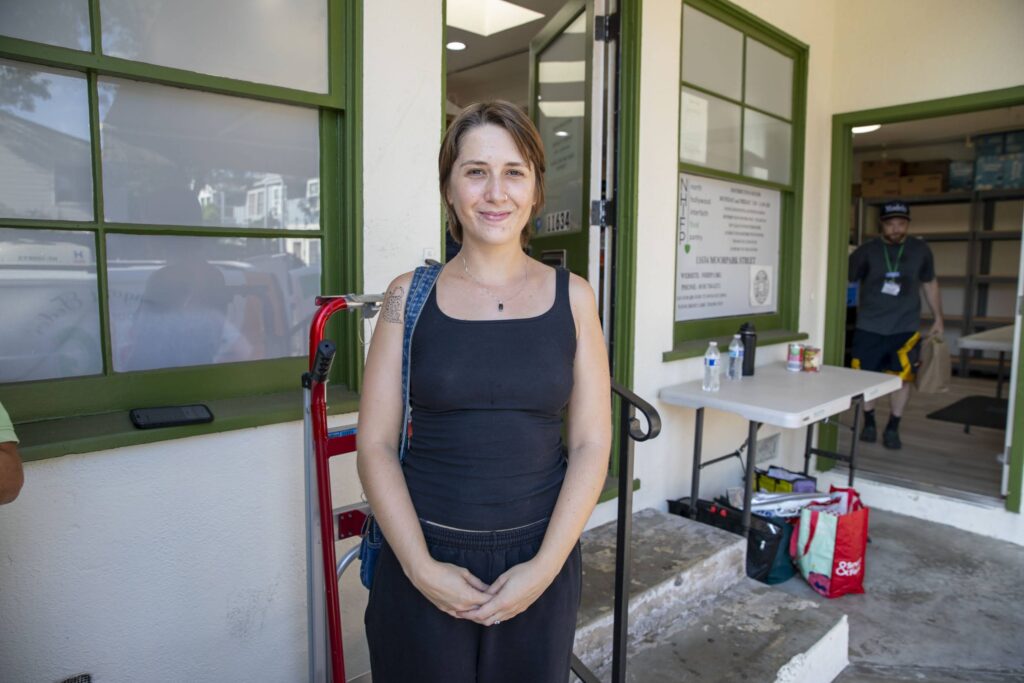
Finding Support and Dignity at North Hollywood Interfaith Food Pantry
On a Friday morning, Anna arrived at North Hollywood Interfaith Food Pantry for the first time. Learn about her experience at the Food Bank partner agency.

One Birthday, 4,000 Meals: How Keturah Reed Turned Her 42nd Into a Fundraiser for the Food Bank
Keturah Reed turned her 42nd birthday into 4,000 meals for neighbors in need. Learn how to start your own Team WeFeedLA fundraiser.