
Food Insecurity and Nutrition Insecurity in Los Angeles County: Why Support Matters More Than Ever
Food Insecurity and Nutrition Insecurity in Los Angeles County: Why Support Matters More Than Ever
An Executive Summary of Research Conducted by USC Dornsife
Food insecurity continues to affect a staggering number of people across Los Angeles County. According to new research from USC Dornsife, one in four households experienced food insecurity in 2025. Food insecurity means that at some point in the month, people may need to skip meals or are unsure where their next meal will come from. USC Dornsife’s study reveals why sustained community support is essential.
Traditionally, food insecurity has been most acute among lower-income households. Encouragingly, the USC Dornsife study found that food insecurity among these households declined from 41% to 35% in 2025, reflecting the impact of local investments in food access, nutrition programs, and food system coordination. At the same time, nutrition insecurity, which is the lack of consistent access to healthy, safe, and culturally appropriate food, fell significantly, from 29% to 21% countywide.
However, these improvements do not tell the whole story.
The research indicates that a growing number of food-insecure individuals living in Los Angeles County are now from higher-income brackets than one might expect, and often working families. These households often earn above eligibility thresholds for programs like CalFresh (California’s Supplemental Nutrition Assistance Program), but still struggle with Los Angeles County’s extraordinarily high cost of living. Housing, childcare, healthcare, and transportation expenses leave many families with too little left for groceries, pushing them into food insecurity for the first time.
Even for those receiving assistance, gaps remain. Nearly half of CalFresh participants in LA County reported experiencing food insecurity in 2025, underscoring that current benefit levels are often insufficient to meet the rising costs of food and living, especially as federal cuts to food assistance programs are anticipated in 2026.
This is one of many areas in which the Los Angeles Regional Food Bank plays a critical role.
The LA Regional Food Bank collaborates with hundreds of partner agencies across Los Angeles County to provide nutritious food, promote nutrition security, and respond promptly during disasters such as wildfires and public health emergencies. The Food Bank fills crucial gaps for families who fall outside traditional safety nets, ensuring that food assistance reaches people when and where it is needed most.
Food insecurity and nutrition insecurity remain persistent, evolving challenges in our region. Addressing them requires sustained investment, coordinated action, and strong community support. You can be part of the solution by helping ensure that no one in Los Angeles County goes hungry.
Make a gift today at LAFoodBank.org/donate.
More Stories from the LA Regional Food Bank

Supporting Students Beyond the Classroom: The Backpack Program at Nevin Elementary
At Nevin Elementary School, supporting students goes beyond the classroom. By taking care of the whole child, students are better able to learn, grow, and thrive.
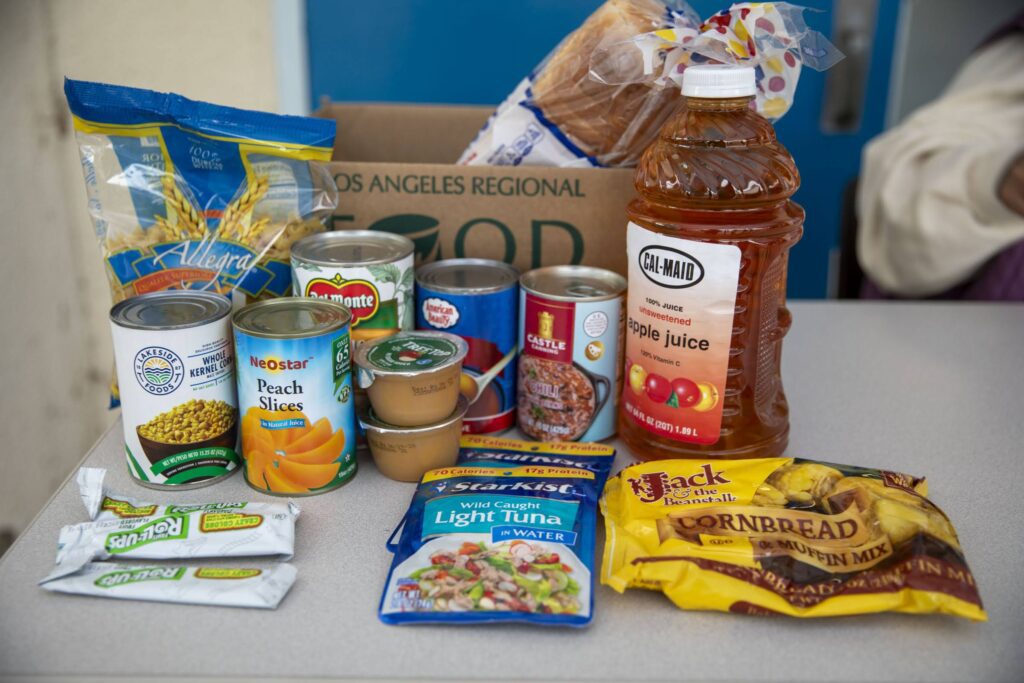
How to Find Free Food Resources in LA County
Whether you are seeking free food assistance for the first time or have needed support before, help is available.
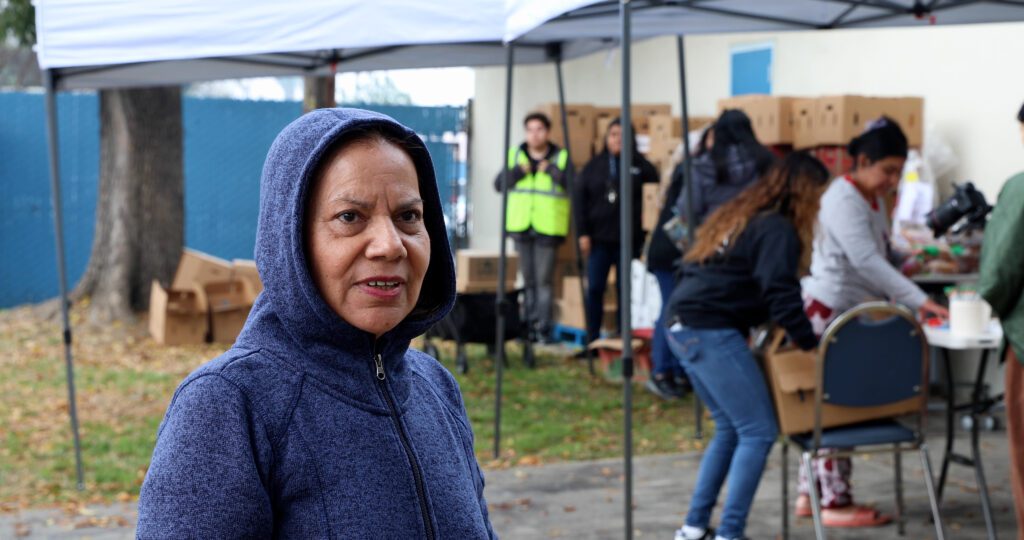
Domitila Wants to See Her Grandson Thrive. The Food Bank is Here to Help.
Families like Laura’s depend on programs like the Food Bank’s Backpack Program to help feed their families when school is not in session.
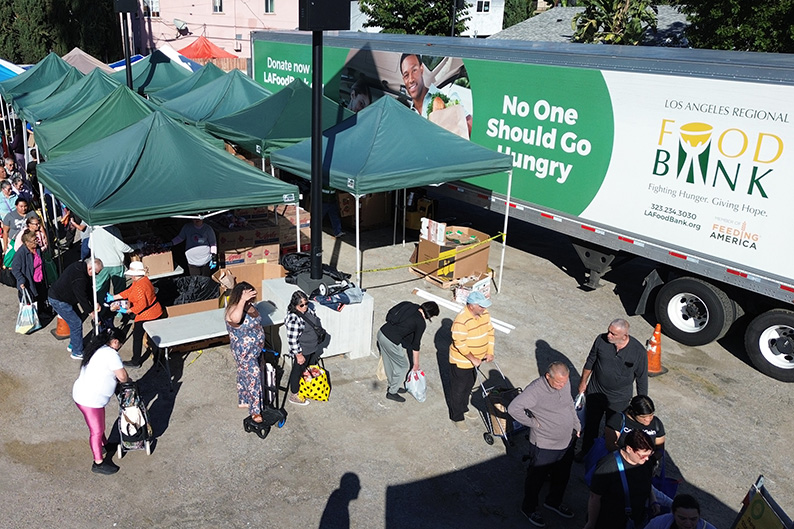
New Tax Rules, New Ways to Give to the Food Bank
Recent changes to federal tax law may affect how you support the LA Regional Food Bank and other nonprofits.