
How to Donate Your Car to the Food Bank
How to Donate Your Car to the Food Bank
By donating your old or unused vehicle to the Food Bank, you’ll help provide meals for families across LA County.
Every month, over a million individuals across Los Angeles County turn to the LA Regional Food Bank and its partner agencies for food assistance. Thanks to the community’s generosity, the Food Bank can provide food and nutrition assistance to neighbors who need it most, and where they need it most.
Through volunteering, food, and financial donations, the community has made a huge difference. But did you know that you can also help provide meals to individuals and families across LA County by donating your old or unused vehicle?
How Car Donations Help Feed Families
By donating a car, truck, motorcycle, RV, or even a boat to the Food Bank, supporters can help provide nutritious meals and critical resources to neighbors experiencing hunger throughout the community.
Beyond clearing space in your driveway or garage, every contribution helps the Food Bank distribute hundreds of millions of pounds of food annually through partner agencies, Mobile Food Pantries, senior nutrition programs, and direct distributions. Vehicle donations help fund programs that reach families when they need support most.
Additionally, by donating your car to the Food Bank, you may qualify for a tax deduction while supporting a cause that is near and dear to your heart, at no cost to you.
All types of transportation are welcome, including cars with mechanical issues, boats, RVs, motorcycles, and planes. The Food Bank works with Charitable Adult Rides & Services (CARS), a nonprofit social enterprise owned by a nonprofit that supports only nonprofits through vehicle donations. To date, CARS has returned more than $600 million to nonprofit partners thanks to donors who donate their vehicles through its service.
How Do I Donate a Vehicle?
Donating a vehicle and helping feed children, adults, and seniors throughout LA County is easy.
Here’s how:
- Call 844-401-GIVE (4483) or submit the online form here.
- Schedule a vehicle pick-up at no cost to you.
- At the time of pick-up, you’ll receive your donation receipt.
At a time when many households continue to struggle with rising food costs and economic uncertainty, community support remains essential. Vehicle donations are one more way our neighbors can join the fight against hunger and help families throughout Los Angeles County have access to the food they need.
More Stories from the LA Regional Food Bank
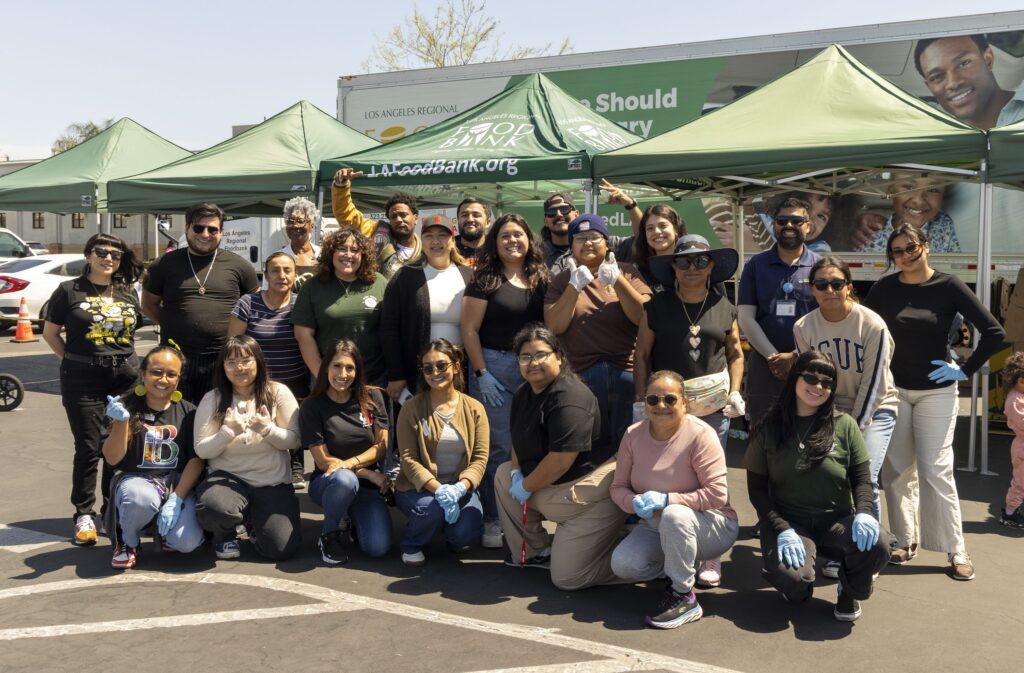
How the Mobile Food Pantry at Long Beach City College Feeds Students and the Community
Every month, the Food Bank partners with LBCC to serve 500+ families through the Mobile Food Pantry — supporting students and the surrounding community.
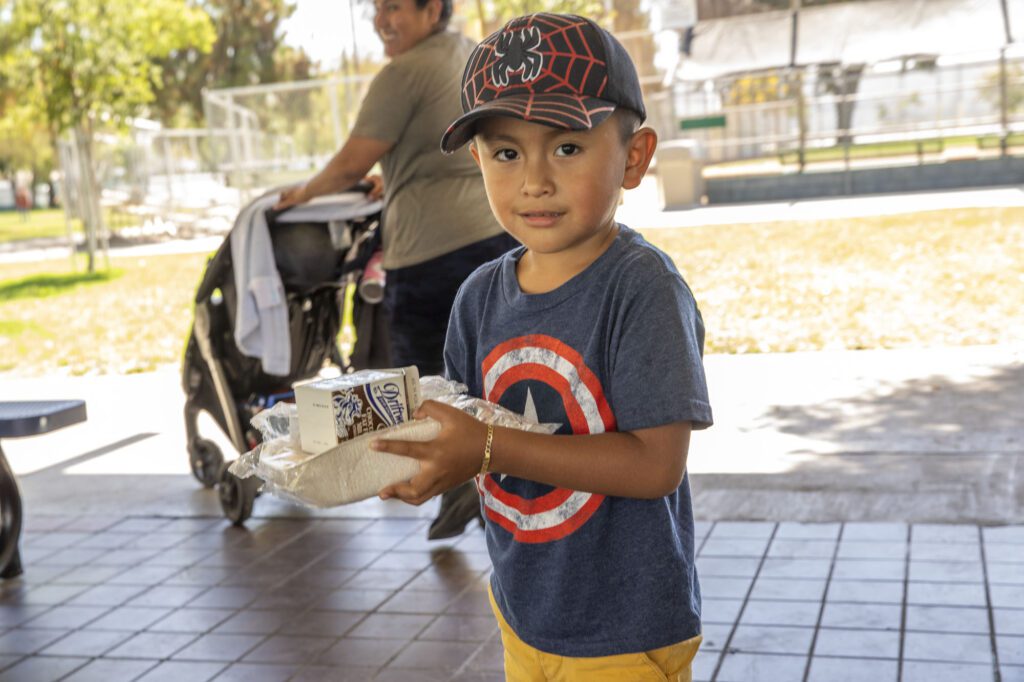
Why Summer Meals Matter, and How the Food Bank Is Closing the Gap
Summer break can mean hunger for many food-insecure children. Learn why summer meals matter and how the Food Bank is helping make summer hunger-free.
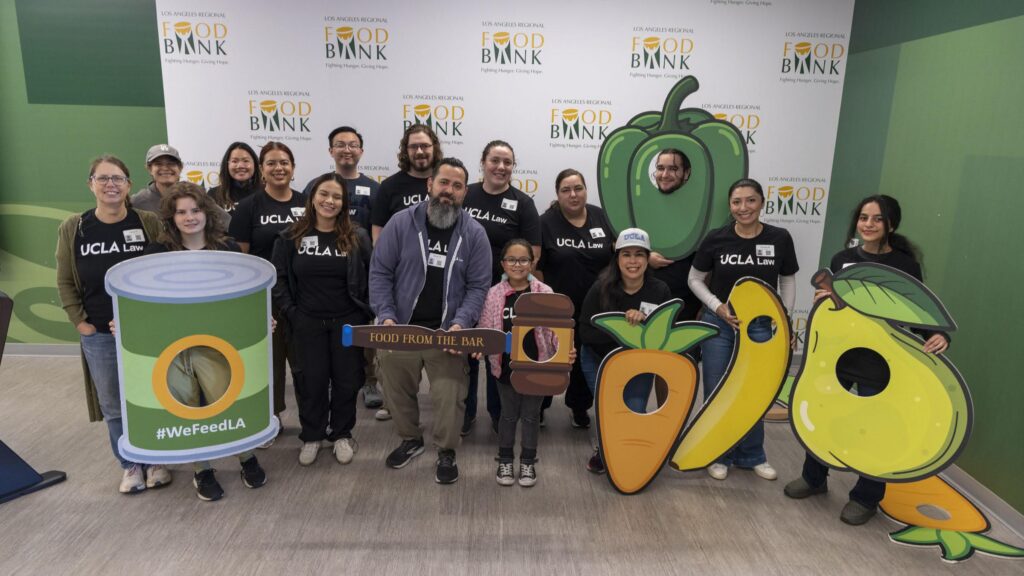
Eighteenth Annual Food From the Bar Campaign Raises $490,000 for Food-Insecure Neighbors
For over 15 years, the Food From the Bar Campaign has raised more than $8 million for Food Bank programs.
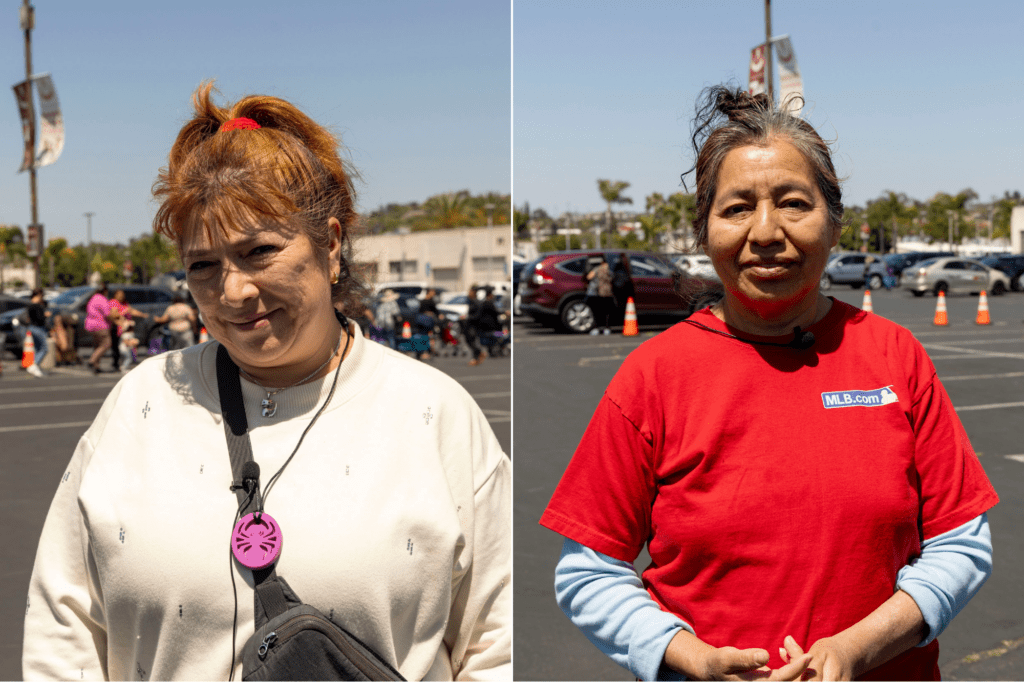
Every Neighbor Has a Different Story: How the Food Bank’s Mobile Food Pantry Provides Hope During Life’s Challenges
Blanca and Silvia may not know each other, but life’s circumstances have led both to receive food assistance at the Food Bank’s Mobile Food Pantry.