
Executive Summary: The Impact of COVID-19 on Food Insecurity in Los Angeles County
Executive Summary: The Impact of COVID-19 on Food Insecurity in Los Angeles County
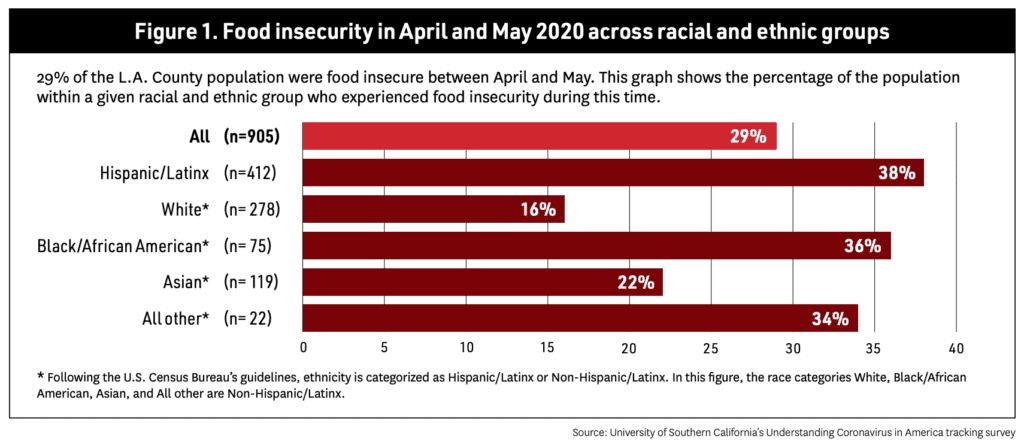
 Before the pandemic, 1 in 5 residents in L.A. County faced food insecurity. As a result of the economic recession caused by the pandemic, that number has soared. A USC Dornsife report on the impact of COVID-19 on food insecurity in Los Angeles County reveals that between April and May, more than 1 in 4 (28.9%) residents dealt with an instance of food insecurity – equivalent to about 955,466 households.
According to the study, COVID-19 has led to a crisis in the food system in the United States with mounting evidence of widespread food insecurity. Overall, 39.5% of low-income households experienced food insecurity at some time between April and May 2020.
Prior to the COVID-19 pandemic, 29.2% of low-income households had experienced an instance of food insecurity in the past year. In just the time between April and May of 2020, 39.5% of low-income households experienced food insecurity. The study also shows that women, African Americans, Latinxs, and the unemployed were disproportionately affected and were more likely to struggle to find food.
- Out of residents who dealt with food insecurity, a large majority of residents were female (57%) and Hispanic/Latinx (59%)
- More than a third of those who experienced food insecurity were 18 to 30 years old (36%), 9 times more likely to deal with hunger than those 65 years old and older
- Nearly half the residents who dealt with food insecurity had children attending school (44%)
- Almost half lived in households that were below the federal poverty line (47%), and over one-quarter had no current employment (27%)
Also, while many food assistance programs exist in L.A. County and more have been created or increased in response to the economic fallout, many individuals in our community still need food assistance and are not receiving the help they need. Even though 50% of those who experienced food insecurity would likely qualify for government assistance programs, only a small fraction was getting help through these programs.
More Stories from the LA Regional Food Bank

How This Free Food Distribution in Long Beach is Helping Feed Mario’s Family
Mario goes to Adventures to Dreams in Long Beach every third Friday to receive essential food items that help put food on his family’s table.
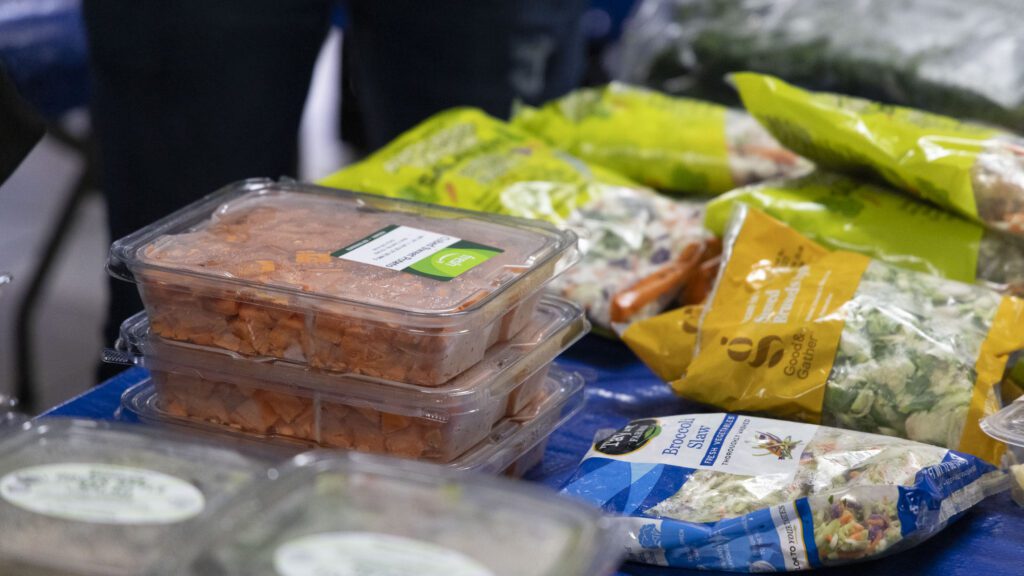
AB 660 Is Now In Effect: How California’s New Law Is Reducing Food Waste
Standardized “Best if Used by” and “Use by” labels are now required on packaged food. Learn what it means for you and for the fight against hunger.
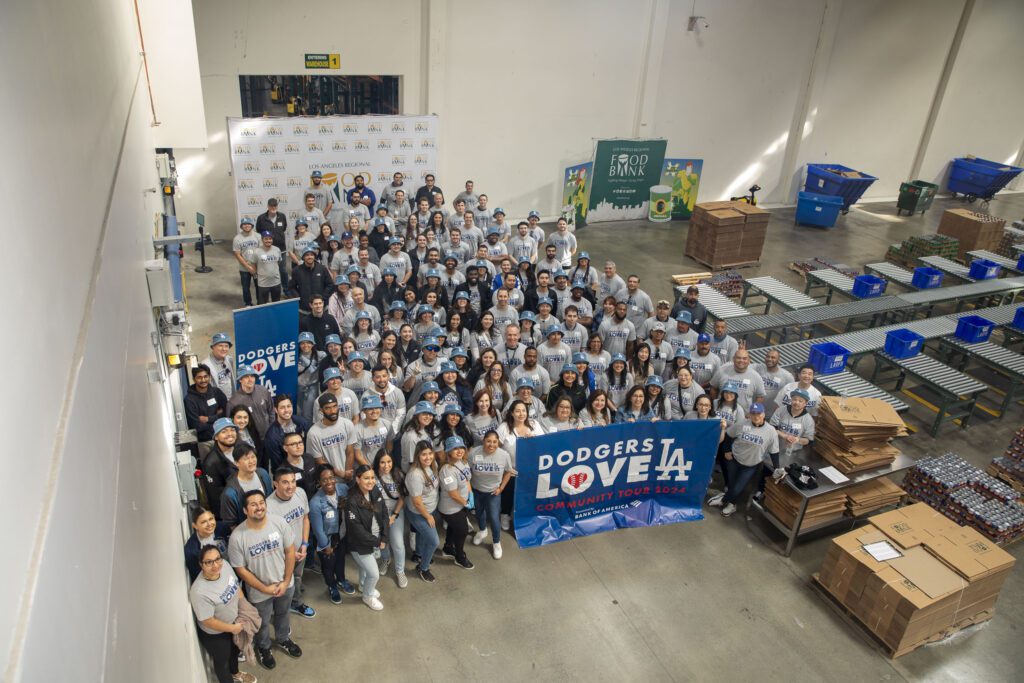
A Winning Partnership: How the Los Angeles Dodgers Foundation Helps the LA Regional Food Bank Fight Hunger
The Los Angeles Dodgers Foundation and the Food Bank have partnered for over a decade, donating millions and volunteering to fight hunger across LA County.

Meet Maria: The Food Bank Volunteer Lifting Up Her Community With a Smile
From receiving groceries with her mom to greeting neighbors at registration, Maria shows what community-powered hunger relief looks like.