
The Food Bank’s Diaper Program Continues to be Essential in a Time of Need
The Food Bank’s Diaper Program Continues to be Essential in a Time of Need
The majority of the Los Angeles Regional Food Bank’s distributed product is food and grocery products — about 97%. However, 3% are other essential items, including diapers. The Food Bank has distributed more than 12.8 million diapers since 2019.
Since 2019, the Food Bank has two grants totaling $6,250,000 through the California Department of Social Services (CDSS) to help support low-income families with diapers. The second grant ends in June 2024. Over 258,600 households in Los Angeles County have received diapers through this program. Participating families receive approximately 50 diapers per child per month, which covers the average diaper gap.
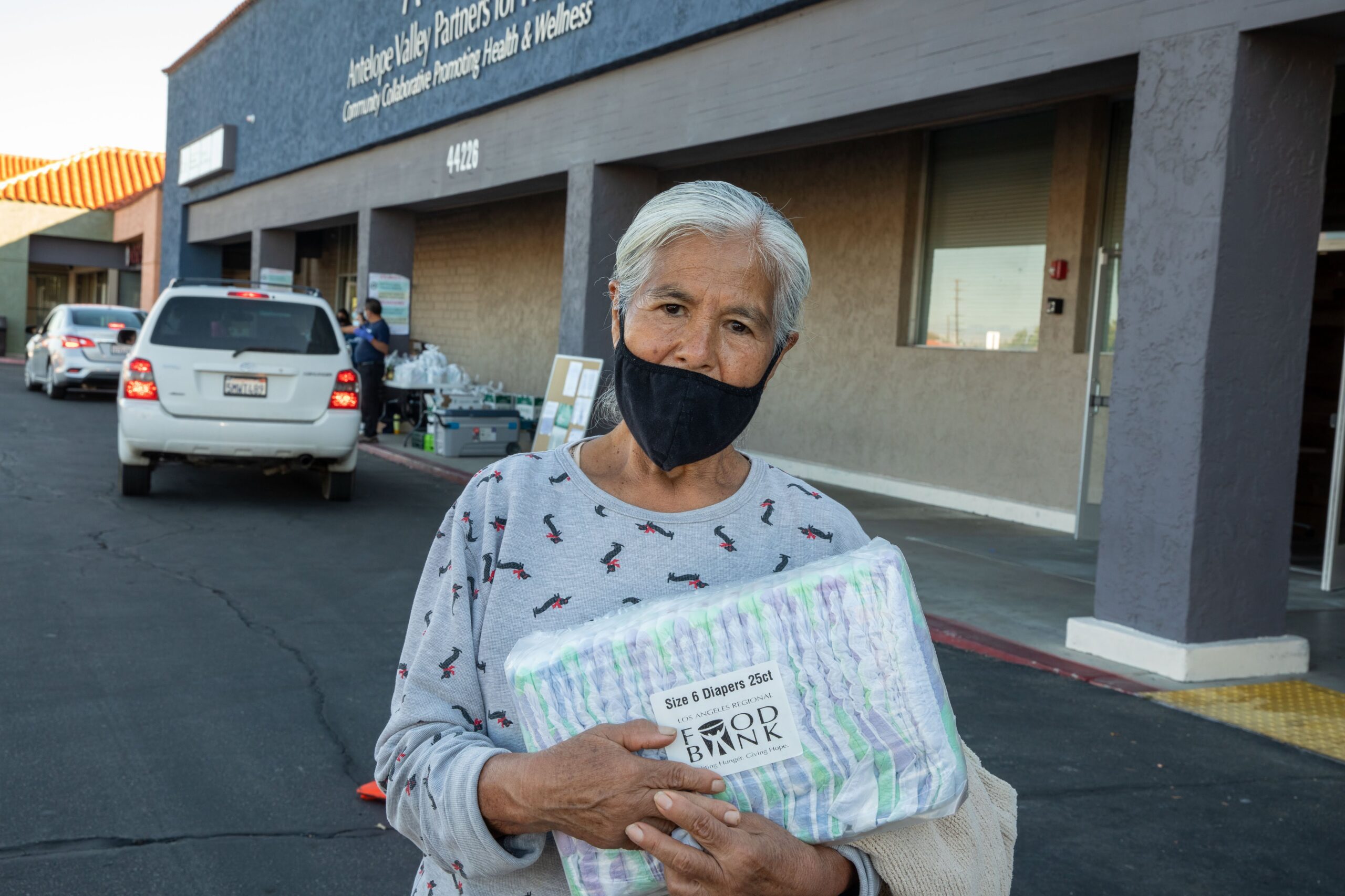
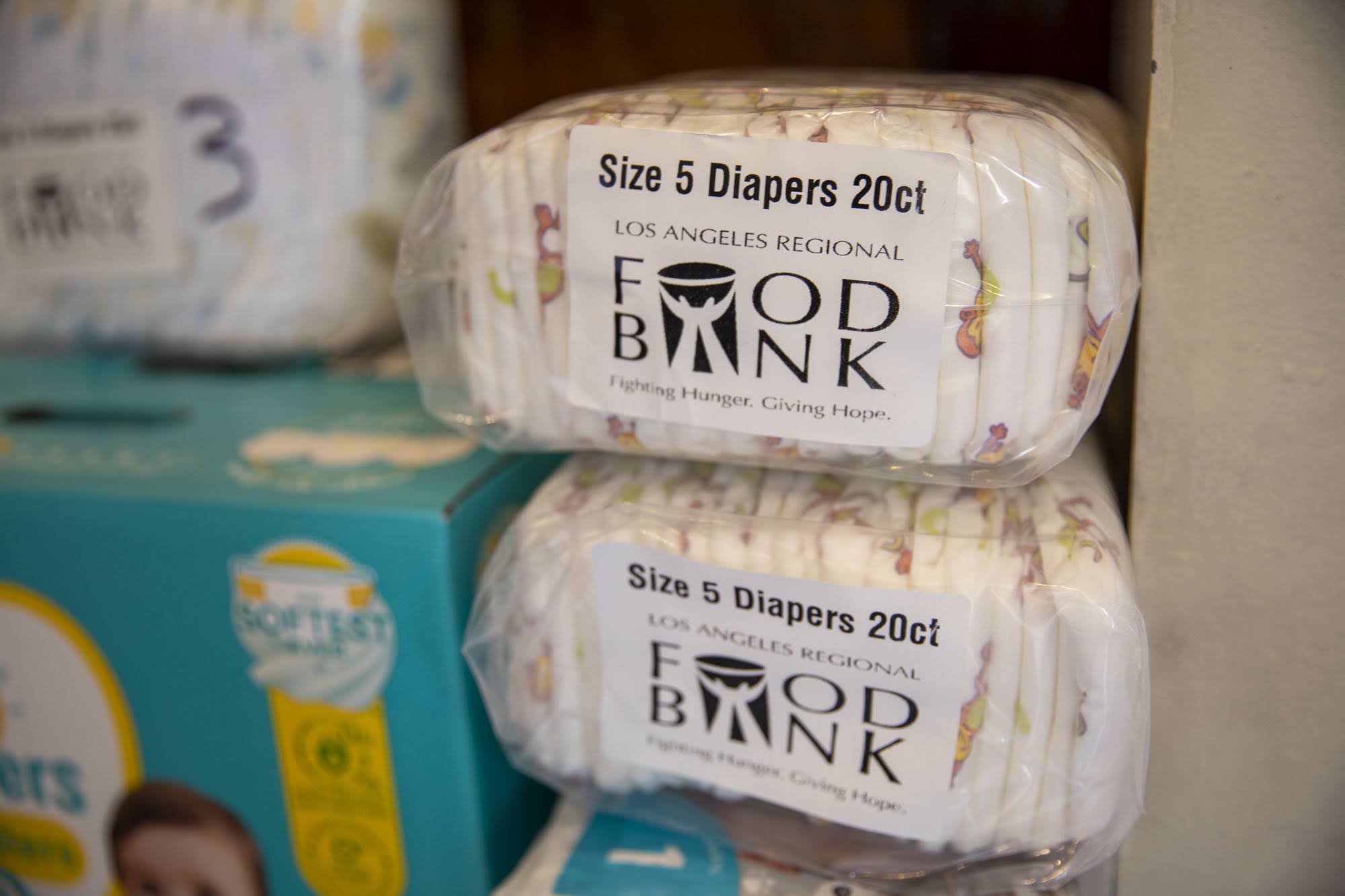
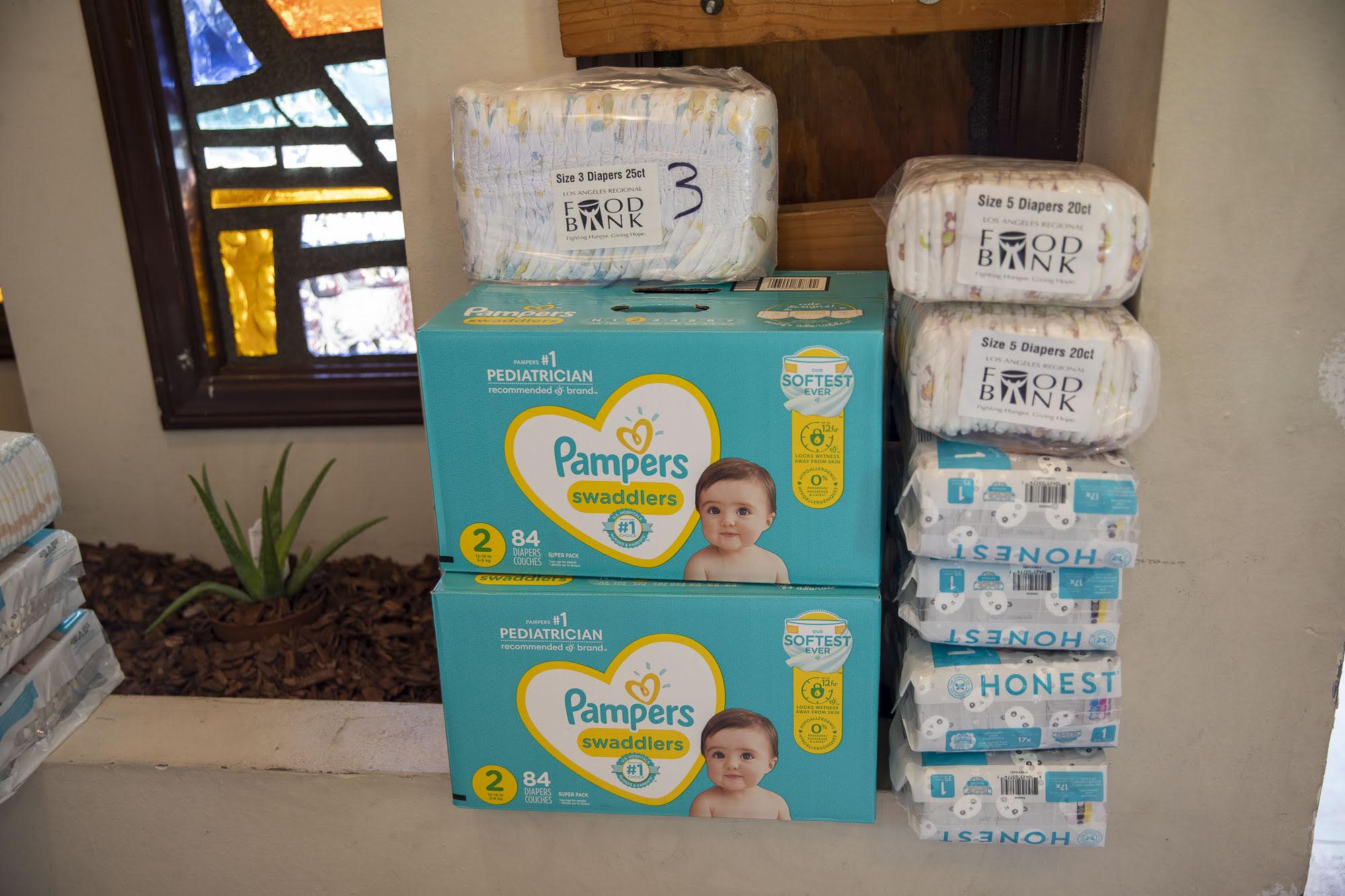
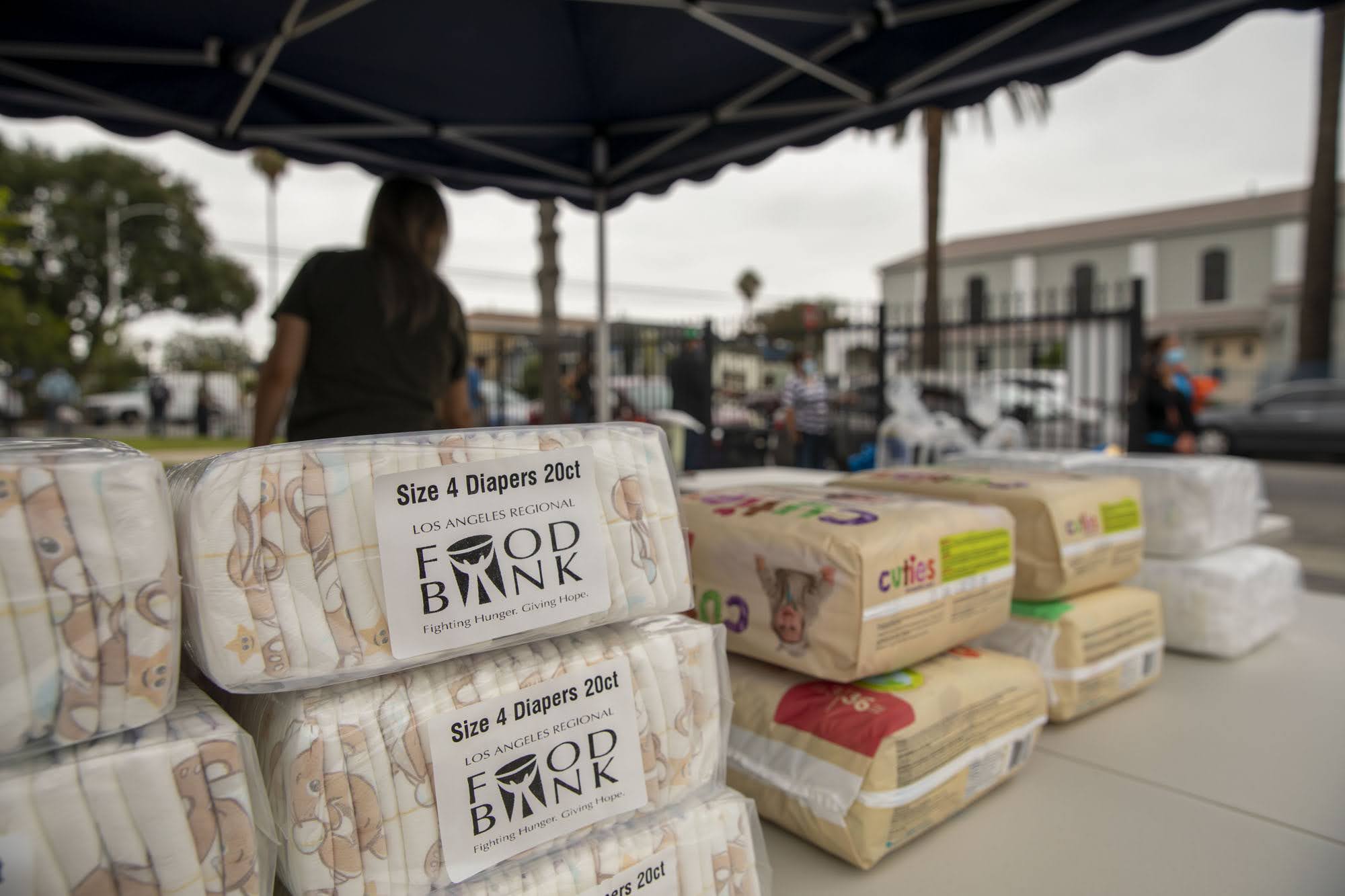
Reliable access to diapers is important as children strive to reach their full potential. Unfortunately, one in three families struggles with diaper needs — the lack of a sufficient supply of diapers to keep an infant or child clean, dry and healthy, states the National Diaper Bank Network.
Without reliable access to diapers, some families may feel forced to keep babies and toddlers in diapers past the recommended length due to limited resources or attempt to wash and reuse disposable diapers. Diaper needs can lead to profound health implications, such as urinary tract or staph infections and visits to the emergency room. Diaper need has been reported to be a significant factor in maternal stress and depression, negatively impacting a child’s development and further perpetuating multigenerational poverty, according to a Yale University study.
Children of low-income households are at the most significant risk of facing the effects of diaper needs because many can’t afford diapers. Families should not have to choose between buying diapers, food, rent, utilities, or other necessities. Federal assistance programs do not currently provide sufficient funds for purchasing diapers, reports the National Diaper Bank Network.
Supplemental Nutrition Assistance Program (SNAP) and Special Supplemental Nutrition Program for Women, Infants, and Children (WIC) are federal assistance programs that help provide healthcare and nutrition to low-income families. It is advised for participants not to use these benefits to purchase diapers.
The only federal assistance program that low-income families can use for diapers is the Temporary Assistance for Needy Families (TANF) program. TANF is used for many expenses, including food, utilities, rent, clothing, transportation, and other household essentials – not leaving enough funds to cover diaper needs.
“Some families that the Food Bank and our partner agencies see may be on federal assistance programs and need further assistance in purchasing diapers and wipes,” says Food Bank Senior Director of Product Acquisitions and Agency Relations, Elizabeth Cervantes. “The Food Bank is committed to mobilizing resources in our community to provide essentials to families in need, including diapers.”
In 2019, the Food Bank worked directly with WIC through 13-15 sites in the County to provide diapers to help fill the growing diaper gap. In 2023, we will work with 18 WIC sites. In addition to the WIC sites, we have 87 participating partners and hope to continue to expand.
Food Bank trusted partner Christian Outreach in Action (COA), helps families in need, including Jenny, who is a mother to a child that is handicapped, has special needs and needs diapers. She shares that their insurance does not cover diapers and they are grateful to COA for providing them with the diapers they need.
The Food Bank seeks to help support families in need within our communities with essential items, including diapers. To help fulfill the Food Bank’s mission, please consider donating today. https://lafoodbank.org/donate
More Stories from the LA Regional Food Bank
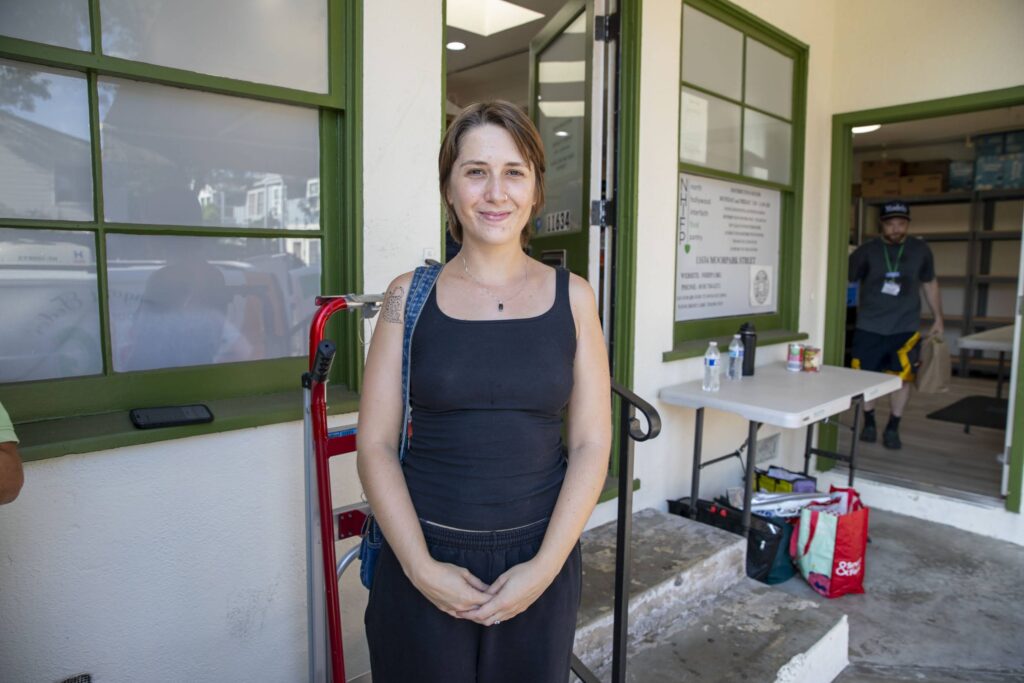
Finding Support and Dignity at North Hollywood Interfaith Food Pantry
On a Friday morning, Anna arrived at North Hollywood Interfaith Food Pantry for the first time. Learn about her experience at the Food Bank partner agency.

One Birthday, 4,000 Meals: How Keturah Reed Turned Her 42nd Into a Fundraiser for the Food Bank
Keturah Reed turned her 42nd birthday into 4,000 meals for neighbors in need. Learn how to start your own Team WeFeedLA fundraiser.
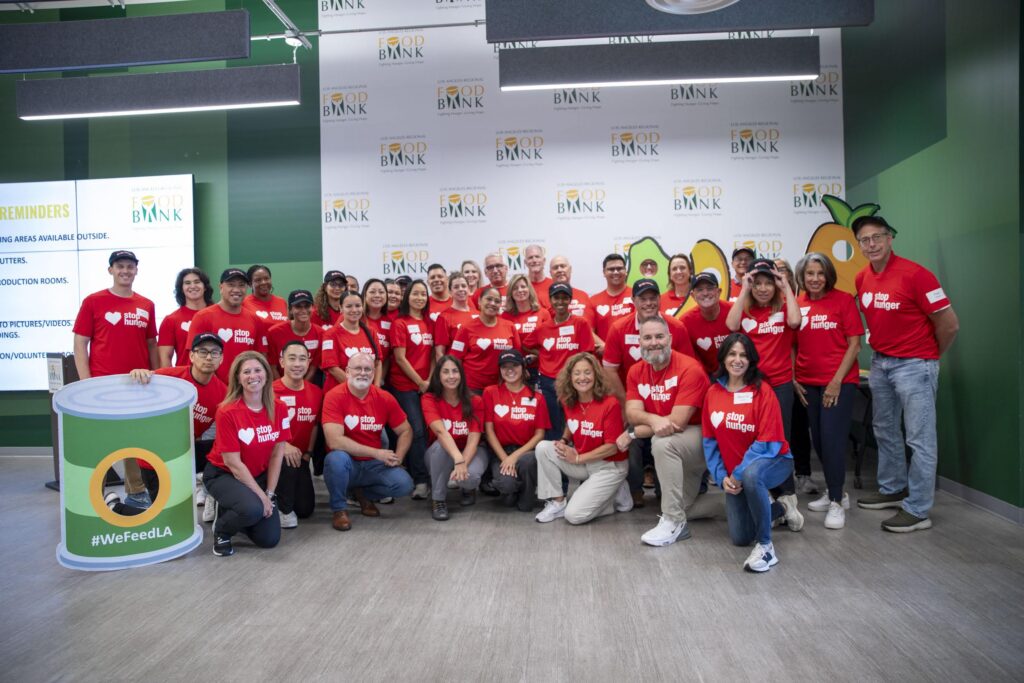
Turning Support Into Action: Inside Sodexo Stop Hunger Foundation’s Community Rebuilding Project at the Food Bank
The LA Regional Food Bank and Sodexo Stop Hunger Foundation team up to pack food for wildfire recovery during a day of service and discussion.
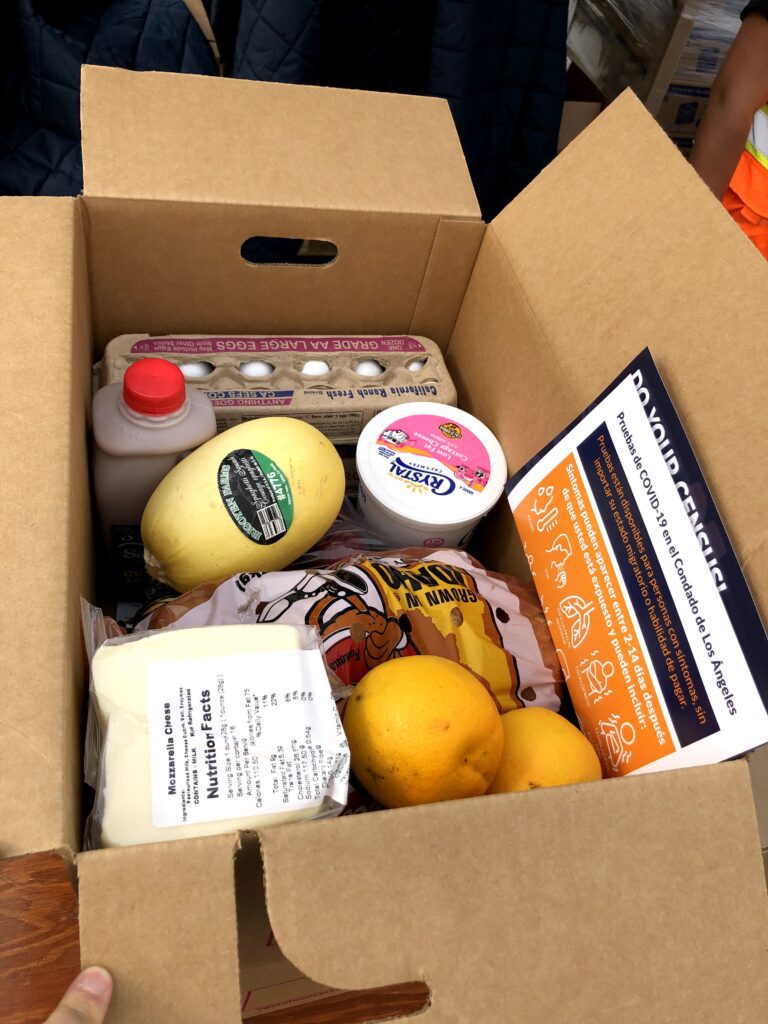
Extra Helpings: How the Food Bank is Helping Rescue Millions of Pounds of Food
Find out how the Food Bank’s Extra Helpings Program rescues nearly 29 million pounds of food a year to feed families across LA County.